#India – A village assembly in Punpalli, in India’s Chhattisgarh state, voted this month to stop allocating communal land to Christians and converts for burials, churches, or prayer meetings.
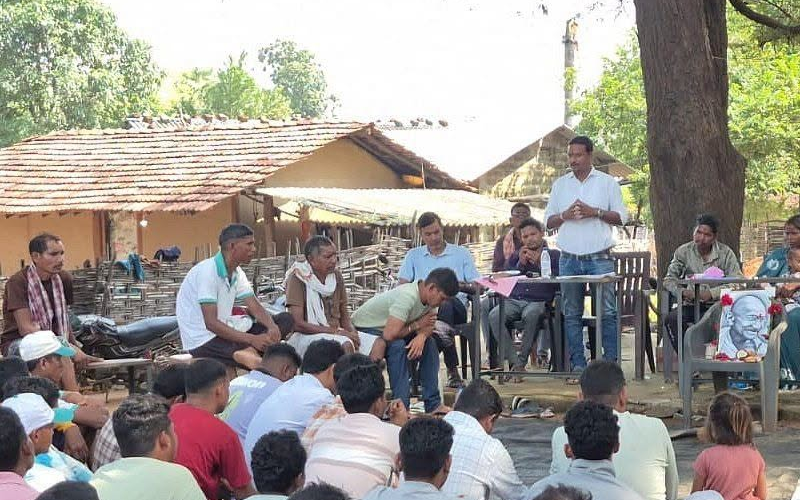
The special Gram Sabha met on October 2 in Punpalli, under the Konta Janpad Panchayat in Sukma district, in the Bastar region. As decision number 6 among roughly a dozen resolutions adopted that day, the assembly said no Gram Sabha land would be made available to Christians or converts for burials, churches, prayer meetings, or “healing” gatherings. A notice posted at the village entrance stated that “not an inch” of such land would be given for those uses. The same notice said pastors, priests, and Christian preachers would not be allowed to enter Punpalli for conversion, prayer meetings, or related religious activity.
Local officials justified the move by citing Article 244(1) of the Constitution, the Fifth Schedule, the Panchayats (Extension to Scheduled Areas) Act of 1996, known as PESA, and Chhattisgarh’s own PESA rules. Punpalli lies in a Scheduled Area, where those laws give village assemblies powers over community resources and the protection of tribal customs and cultural identity. Janpad member Madkam Bhima said the assembly had acted with the village’s traditional system, social unity, and community interests in mind, and that any dispute should be handled through legal and constitutional processes. The sarpanch and other village representatives were present.
Punpalli has about 2,000 residents. Of those, about 21 families, totaling roughly 75 people, are Christian. Christian representatives said that if the burial restriction were enforced, families would have to travel more than 13 kilometers to Dhornapal or more than 40 kilometers to Sukma to bury their dead. One local Christian committee official said Punpalli was at least the tenth village in Bastar where similar restrictions had appeared, and alleged that some groups were using a split Supreme Court ruling earlier in 2026 on burial rights to encourage such resolutions.
News reports noted that the decision raised an unresolved legal question: how far a Gram Sabha’s authority under PESA extends when set against constitutional guarantees of freedom of movement, personal liberty, and freedom of conscience and religion. District officials were reported to be examining whether the resolution fell within the assembly’s legal powers.
This news follows increasing discrimination towards Christians in India. A proposed bill earlier in the year opened the possibility of government officials to seize Church property. In other parts of the country, laws have been enacted to prohibit the conversion to minority religions, including Christianity.
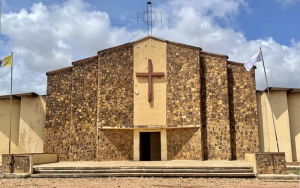
Cover Image: Punpall, a village in the Chhatisgarh state in central India.