#India #Maharashtra – Maharashtra became the 13th Indian state to enforce an anti-conversion law after the Maharashtra Freedom of Religion Act, 2026, received presidential assent and was notified in the official gazette on July 30. The legislation, which took effect shortly thereafter, prohibited religious conversions carried out through force, coercion, fraud, allurement, undue influence, misrepresentation or marriage-related deception.
The state legislature had passed the bill during its budget session in March. It required individuals intending to convert to provide at least 60 days’ prior notice to the district magistrate and imposed prison terms of up to seven years and fines for violations, rising to 10 years and higher penalties for repeat offenders or cases involving minors, women, or members of Scheduled Castes and Scheduled Tribes. Relatives could lodge complaints, and offences were made cognizable and non-bailable.
State authorities maintained that the law targeted only forced or fraudulent conversions and was not intended to interfere with voluntary changes of faith or interfaith marriages. Chief Minister Devendra Fadnavis had earlier described its objective as curbing coercive practices.
Christian leaders and organizations, however, expressed deep concern that the measure would disproportionately affect minority communities. The Archdiocese of Bombay issued a press note on or around August 1, stating that Maharashtra had joined “a growing list of states” where similar laws had been used “far more often to intimidate religious minorities than to prevent any genuine wrongdoing.” The archdiocese noted that experience in other states raised serious concerns that the legislation could place a disproportionate burden on Christian communities, interfaith couples and others exercising constitutional rights under Article 25.
Church spokespersons highlighted vague terminology such as “allurement” and “undue influence,” which in other states had been interpreted to cover ordinary educational, healthcare and charitable work by churches and mission institutions. Father Nigel Barrett, spokesperson for the Archdiocese of Bombay, said such provisions had repeatedly criminalized legitimate Church ministry. The law’s allowance for third-party complaints by relatives and the potential for police action without the convert’s involvement were also flagged as risks to adult freedom of conscience.
Dolphy D’Souza of the Bombay Catholic Sabha described the Act as “a political weapon to terrorize and harass minorities and to criminalize the charitable work for which the Christian community is known.” John Dayal of the All India Catholic Union called it “a surveillance and criminalization act dressed in the language of protection.” Earlier, in March, bishops of the Western Region Bishops’ Council had jointly protested the bill, demanding its withdrawal or substantial revision and arguing that it undermined the freedom to choose and profess one’s religion.
Christians form a small minority in Maharashtra, estimated at less than one percent of the population. Leaders noted that the law arrived amid a documented rise in incidents of intimidation directed at churches and institutions engaged in education, healthcare and social work, particularly among the poor. They urged the state government to frame clear rules and safeguards to prevent misuse when implementing the Act.
The development added to ongoing national debates over state-level anti-conversion laws, several of which faced challenges in the Supreme Court.
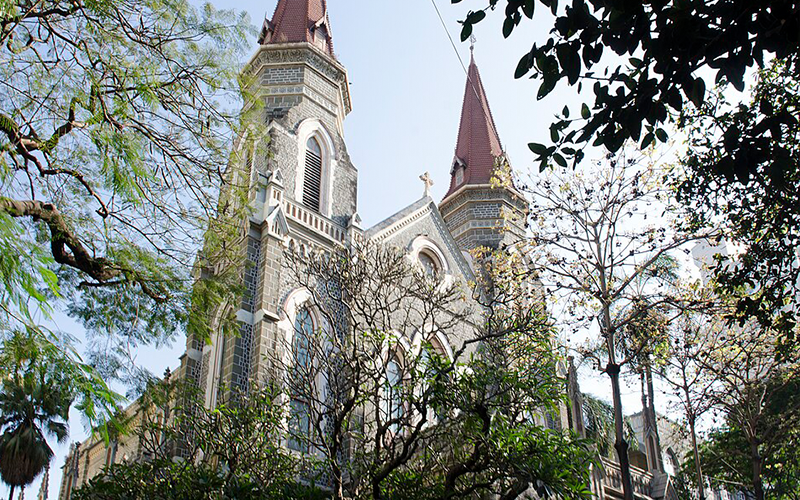
Image: Cathedral of the Holy Name in Mumbai, the seat of the Archbishop of Bombay.