#Czechia #Vatican – On April 1st, 2026, the Czech Constitutional Court determined that a concordat signed between representatives of the Czech government and the Vatican State to be unconstitutional because they violate the state’s neutrality, equality among religions, and public access to cultural heritage. The components of the concordat, which was signed in October 2024 by Vatican Secretary of State Cardinal Pietro Parolin and then-Prime Minister Petr Fiala, and passed parliament approval, were provisions that had to do with the seal of confession and restricted access to church archives.
The 2024 Czech-Vatican concordat (formally the Agreement between the Holy See and the Czech Republic on some legal questions) was a bilateral treaty under international law. It aimed to formalize and strengthen church-state relations in the Czech Republic, which had been the last post-communist country in Central Europe without such an agreement. After the fall of communism, the Czech Republic resolved most church property restitution issues over decades, clearing the way for this treaty. The concordat was signed on October 24, 2024, in Prague by Vatican Secretary of State and then-Prime Minister. The Chamber of Deputies approved it in December 2024, but the Senate raised concerns, leading to a challenge by 17 senators. President Petr Pavel also expressed doubts. Therefore, ratification of the treaty was pending until the Constitutional Court intervened on April 1, 2026.
The treaty consists of a preamble and 16 articles. Proponents (government and Catholic Church) described it as largely symbolic and non-revolutionary: it mostly codifies existing rights from Czech law (e.g., the Charter of Fundamental Rights and Freedoms, Arts. 15–16) and international human-rights standards, elevating them to treaty level for stronger, harder-to-change protection. It applies not just to Catholics but reinforces religious freedom for all registered churches and societies, emphasizing ecumenical dialogue.
The Court ruled that specific parts (primarily the absolute seal of confession in Article 4 and the archives/heritage provisions in Article 7) violate the Czech Constitution for the following reasons:
- The articles would grant the Catholic Church a privileged legal regime not extended to other religions, breaching state neutrality (Czechia has a strictly secular constitution) and equality/non-discrimination among religious groups.
- On archives: the article would limit public access to cultural heritage (church documents are seen as part of national history), conflicting with the Archives Act that binds everyone else.
- The seal of confession was viewed as creating an absolute exception without equivalents for other faiths or professions, potentially conflicting with criminal-law duties.
The rest of the treaty was left intact, but ratification is now blocked until the disputed clauses are revised—likely through further negotiations between Prague and the Vatican. The Court did not kill the entire agreement but sent it back to the drawing board for revision.
Church leaders and some experts called the ruling a setback for religious freedom in a country that’s already one of Europe’s most secular, whereas critics welcomed it as upholding secular principles and preventing special privileges. The government that signed the concordat defended the treaty, while the current one faces the task of renegotiating. The concordat was a long-sought framework to give the Catholic Church (and by extension other faiths) clearer, more secure legal footing after decades of communist-era tensions. The court’s intervention highlights an ongoing tensions in Czechia’s very secular society between religious autonomy and strict state neutrality. If revised, it could still be ratified and entered into force.
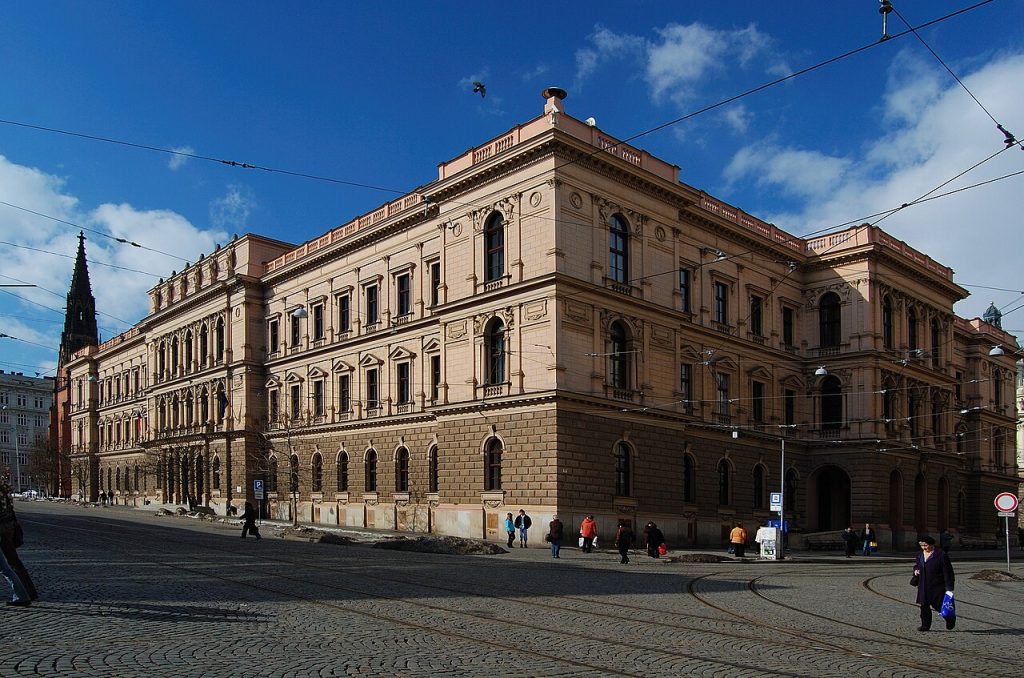
Image: The Constitutional Court of the Czech Republic building (Ústavní soud České republiky) in 2010.