#Switzerland #Bern – The Swiss Council of Religions last week rejected blanket bans on religious symbols in public schools, arguing that such measures would unduly restrict freedom of religion as debates intensified in several cantons and in the Federal Parliament.
In a statement issued on September 22, the council said a general prohibition for students would amount to a disproportionate interference with the right to freedom of conscience and belief guaranteed by Article 15 of the Swiss Constitution. Schools, it said, should be places where children and adolescents learn to treat diverse religious and philosophical convictions with respect.
The body also opposed a nationwide ban for teachers. Visible religious symbols alone, it argued, did not prove that an instructor was influencing or indoctrinating students. Professional competence, conduct in the classroom, and adherence to the school’s educational mission were the decisive factors, the council said. Religious neutrality, it added, did not require making religion invisible. At the same time, the council emphasized that religious freedom included the right not to wear a symbol and that no one should be pressured to do so.
Rita Famos, president of the council and a leader in the Protestant Reformed Church, said the school’s duty was to ensure that children remained free both to display their faith and to refrain from doing so.
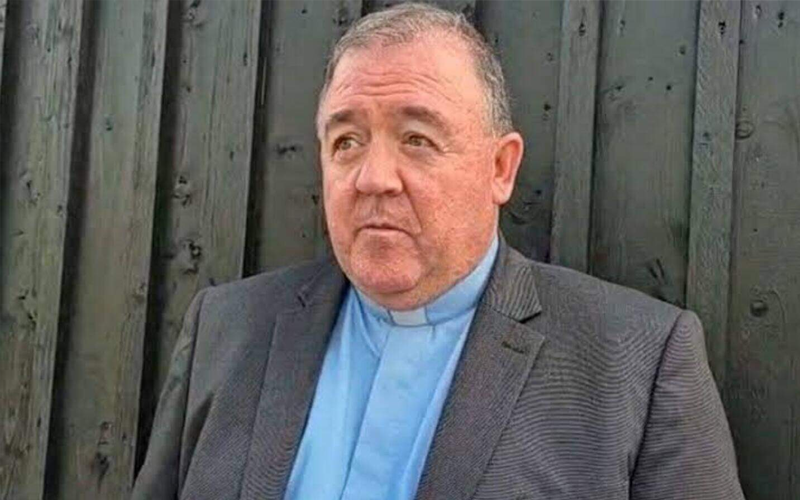
The Swiss Bishops’ Conference, which holds a seat on the council, was represented by Bishop Charles Morerod of Lausanne, Geneva and Fribourg. The council brings together representatives of Christian churches, Jewish organizations and Islamic umbrella groups. It planned to examine the issue further at a symposium titled “Religion and School” scheduled for October 29th in Bern, marking the council’s 20th anniversary.
The statement came as several German-speaking cantons moved toward restrictions. In June, the St. Gallen cantonal parliament approved a motion to ban religiously motivated clothing and symbols for teachers in public schools, including secondary and vocational institutions. The measure followed a 2025 dispute in the municipality of Eschenbach, where parents objected to the hiring of a primary-school teacher who wore a headscarf.
In August, Zurich’s cantonal parliament narrowly approved a motion calling for a ban on religious head coverings in public schools and kindergartens. Aargau approved a similar initiative aimed at girls under 16. Other cantons, including Thurgau, were considering related proposals. The Federal Council had previously declined to support a nationwide ban on headscarves for students, citing constitutional concerns and existing legal safeguards.
Swiss courts had generally drawn a distinction between students, whose religious freedom received stronger protection, and teachers, who were expected to observe the state’s duty of religious neutrality in compulsory education. The council’s intervention placed the country’s main religious communities on record against treating visible faith as inherently incompatible with public schooling.
Cover Image: The Swiss Council of Religions logo.