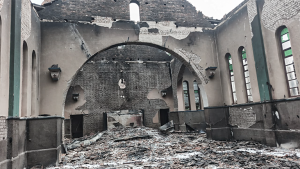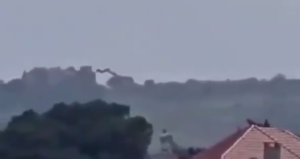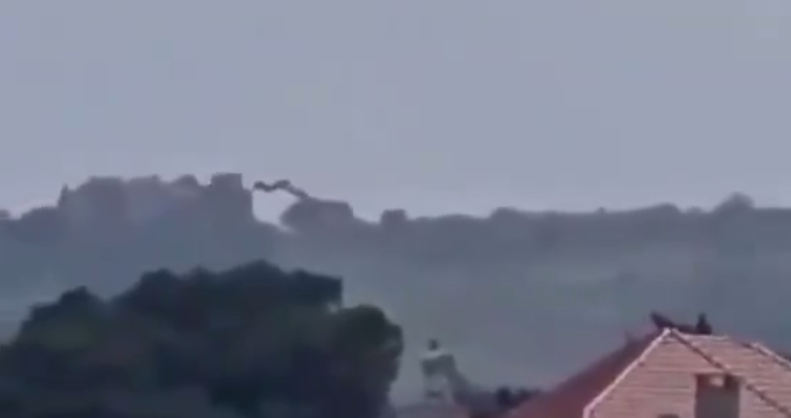
#Lebanon – On May 1st, 2026, the Israeli military demolished a monastery and associated school run by the Sisters of the Holy Savior (Salvatorian Sisters, affiliated with the Melkite Greek Catholic Church) in the southern Lebanese border town of Yaroun in the Bint Jbeil district. The area is presently occupied by Israeli forces amid an encompassing truce to regional conflict in the Middle East.
National News Agency (NNA) reported that Israeli forces carried out the demolition operation, following other actions in the town that targeted homes, shops, roads, and landmarks. The school was described as one of the region’s most prominent educational institutions, having educated thousands of students from various towns in the Bint Jbeil district over the years. Its destruction was called “a major loss at both the educational and social levels.”
This incident occurred amid ongoing Israeli operations in southern Lebanon, despite a ceasefire (a 10-day truce starting April 17, 2026, later extended). Israel has maintained a “buffer zone” in the area, citing the need to prevent Hezbollah attacks and clear infrastructure used by the group. Lebanese sources and international reports framed these actions—including repeated home and infrastructure demolitions—as violations of the truce.
Yaroun is a border village with a Christian presence among other communities in the south. Similar reports of demolitions and strikes on civilian/religious sites have surfaced in the broader conflict, though Israeli statements generally justify such actions as targeting Hezbollah outposts or military necessities rather than civilian or religious targets specifically.
The demolition drew strong condemnations from Lebanese media and observers on social media. Groups like CAIR (Council on American-Islamic Relations) condemned it as part of a pattern affecting communities in the region. In April, the Israeli government was under sharp criticism for video footage of an IDF soldier who deliberately destroyed a sculpture of Jesus Christ that resulted in an apology, but no reparations or reprimand against those involved. The Israeli government later claimed to have replaced the sculpture, which was proven false when Italian UN peacekeepers were filmed replacing the sculpture to its original form.
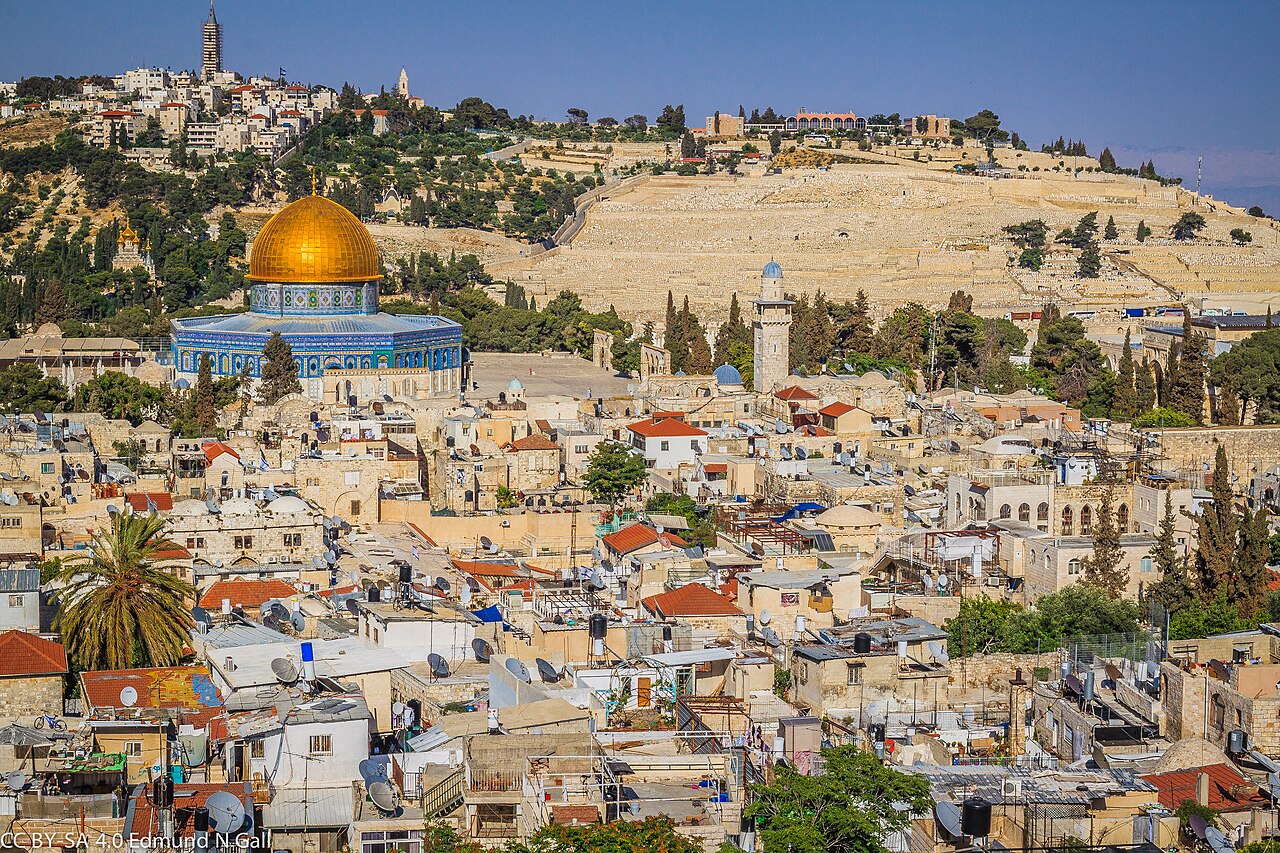
Anti-Christian attitudes are not out of the ordinary in Israeli culture and society. Yesterday, April 30th, 2026, an Israeli citizen was arrested for violently pushing and beating an elderly French nun in the Old City of Jerusalem. Local police arrested the suspect, but he was released without charges shortly afterwards amid an ongoing investigation despite claims that the case was being handled with the upmost seriousness. These combined incidents highlight ongoing trends in Israel and its occupied lands in southern Lebanon, Gaza, and the West Bank, but also external pressure and public relations as anti-Christian attitudes and incidents have become more viral on social media and news networks, especially since the Iran War.
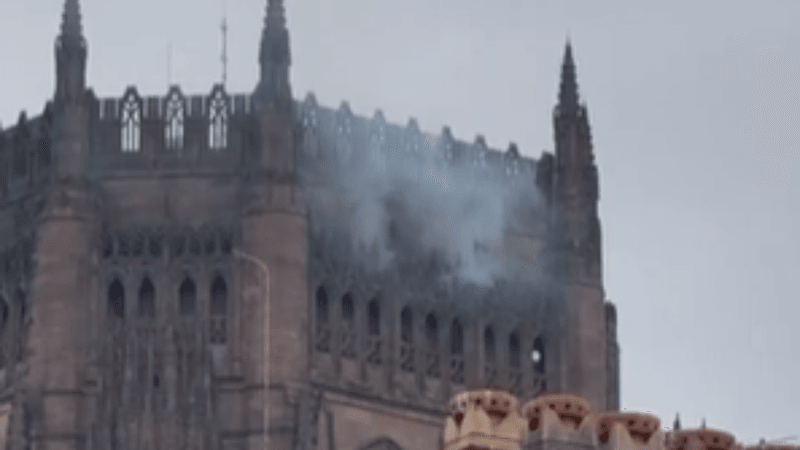
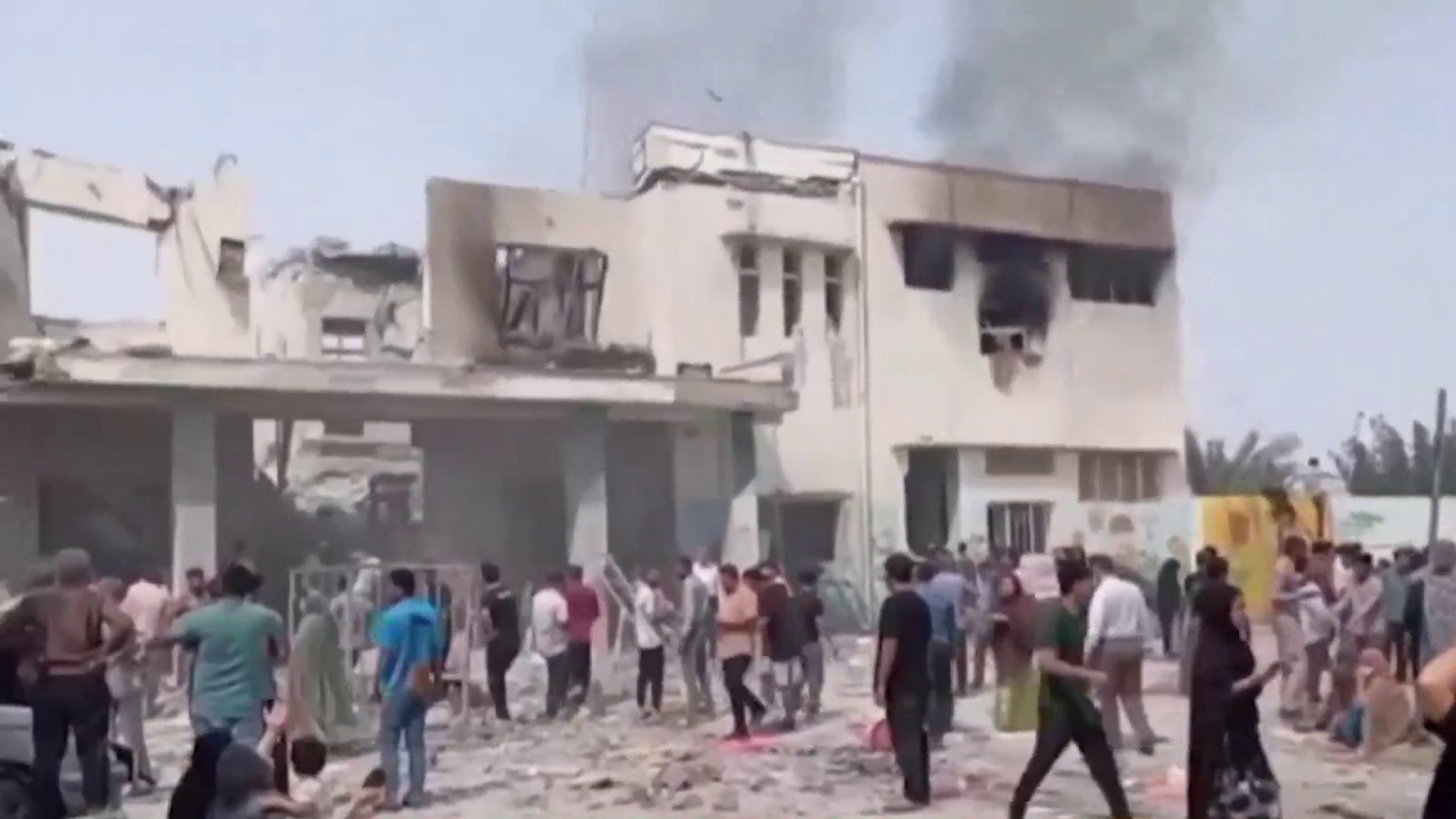
Image: A still image from the video that depicts an excavator destroying the monastery and school in southern Lebanon.