#UK #England #London – The BBC announced late last week that it would cut the number of Sunday morning religious programs on its English local radio stations from fifteen to six, part of a broader effort to find £500 million in savings over three years. The remaining programs would not solely focus on Christian content, but include other faiths.
Until 2023, each of the corporation’s 39 local stations produced its own Sunday morning faith program. Those shows were then consolidated into 15 shared regional broadcasts. The latest reductions, outlined in an internal email after a staff Teams call, further grouped the remaining programs into larger regions covering the Northwest and Northeast of England, the South and Southeast, and the East and West Midlands.
The six remaining Sunday breakfast slots, running from 6 a.m. to 10 a.m., were to focus on faith mixed with gardening content. Officials said the changes would take effect from January 2027. These breakfast shows will also focus on faiths other than Christianity and include Muslim guests, reflections, and community stories alongside other faiths. Some local presenters, such as Amir Suleman on BBC Radio Nottingham, regularly handles faith discussion that covers Islam.
The cuts formed part of plans to save about £9 million and eliminate roughly 90 positions across BBC Local. Late-night local programming was slated for replacement by BBC Radio 5 Live, while six existing regional evening shows that aired on Tuesdays and Wednesdays were scheduled to end. Saturday breakfast shows on 18 stations were also set to be replaced by a single all-England program.
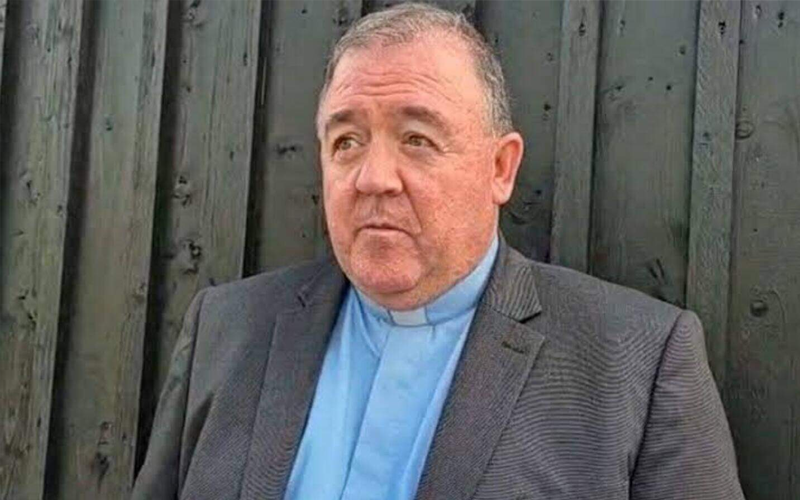
Rev. Peter Crumpler, a former Church of England communications director, criticized the shift. “Regional coverage tends to favor ‘the unusual’ or controversial, rather than the grassroots activities of faith groups in their local areas,” he said. “So dilution of the local is a significant negative in the BBC’s coverage of faith issues.”
The programs had drawn an estimated combined weekly audience of around 800,000 before the first round of consolidation. Producers who once gathered local interviews, church news, and community features now faced covering much larger geographic areas with fewer dedicated staff. A small central team had previously supplied features representing multiple faith perspectives.
BBC executives framed the reductions as a response to changing audience habits and budget pressure. They said they remained committed to representing Britain’s faith communities and would continue to mark major religious festivals. More content was expected to move online.
The announcement came amid a wider wave of BBC Local reductions that also affected weekday evening output and regional television news. Listeners, particularly older audiences who relied on linear radio, had already protested earlier rounds of sharing and presenter losses that began in 2022–2023.
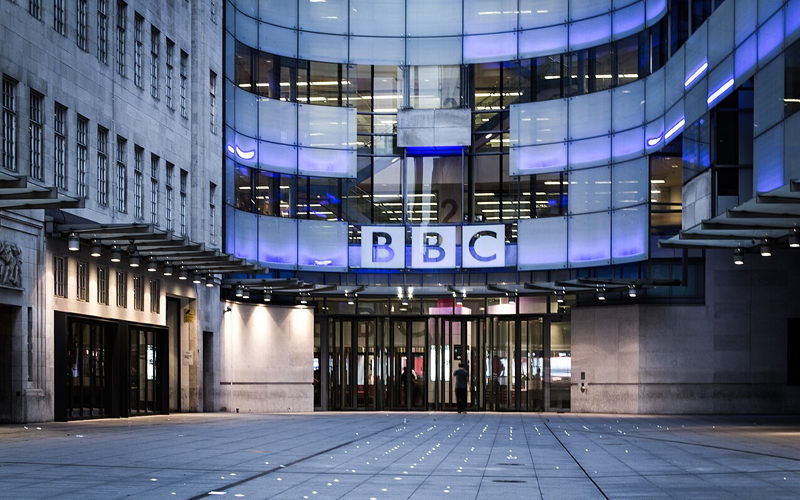
Cover Image: Broadcasting House in London, headquarters for the British Broadcasting Corporation (BBC).