#Colombia – A magnitude 7.4 earthquake struck western Colombia early Monday morning, killing at least 111 people, injuring dozens to hundreds more, and causing widespread structural damage across multiple cities. The tremor, the strongest to hit the country in a decade, was centered near San José del Palmar in the Chocó department and was felt across much of Colombia as well as in neighboring Venezuela, Ecuador, and Panama.
The quake hit at approximately 7:34 a.m. local time (12:34 GMT) at a depth of about 96–110 kilometers (60–68 miles), according to the Colombian Geological Service and the U.S. Geological Survey. It produced strong shaking that collapsed buildings, cracked infrastructure, and triggered emergency responses. President Abelardo De La Espriella, who took office only days earlier, declared a national emergency and reported at least 111 confirmed deaths and 87 injured, with the toll expected to rise as rescue teams continue searching rubble. Other tallies cited more than 460 injuries.
Hardest-hit areas included the coffee-growing region and Pacific coast cities. Pereira in Risaralda department recorded dozens of fatalities (reports ranged from around 40–47 in the area), with additional deaths in Valle del Cauca (including Cali, where multiple buildings collapsed and people remained trapped), Chocó (around 9–12 deaths), Manizales (at least three), Buenaventura, and Antioquia. In Cali, more than two dozen structures reportedly collapsed; airports in several cities, including Manizales, Pereira, Quibdó, and others, suspended operations pending structural inspections. Over 1,500 residential buildings were damaged nationwide, along with health centers and schools.
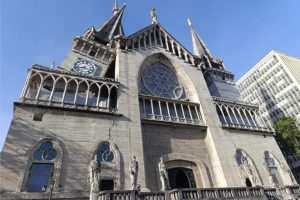
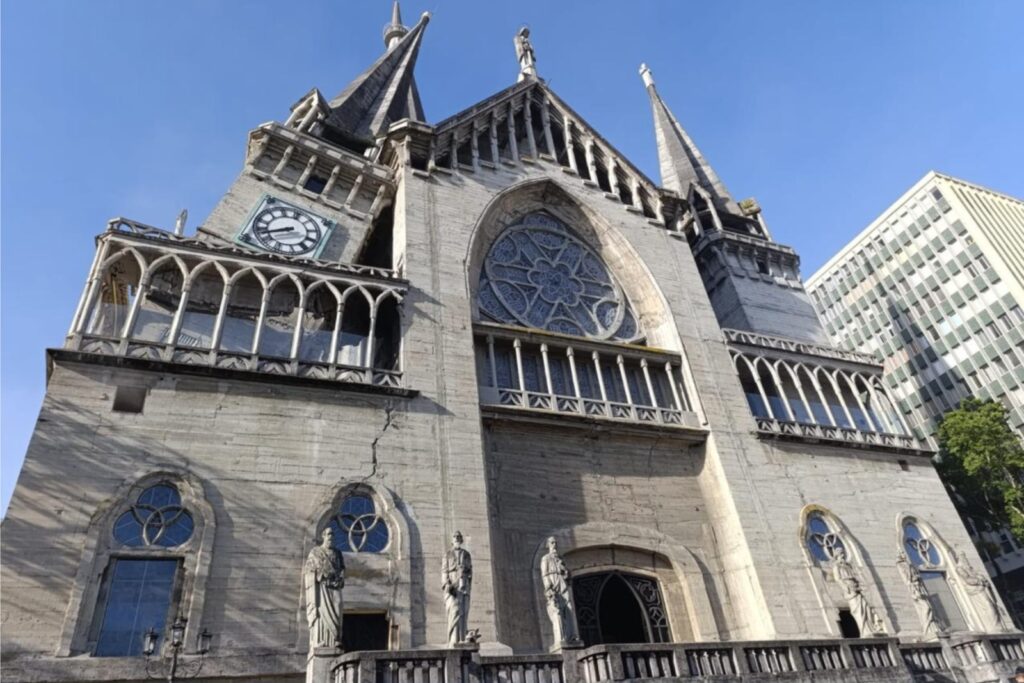
One of the most visible symbols of the disaster was the partial collapse of a side tower of the Cathedral Basilica of Our Lady of the Rosary (Catedral Basílica Metropolitana de Nuestra Señora del Rosario) in Manizales, Caldas department. Video captured the neo-Gothic tower—part of Colombia’s tallest cathedral and one of the tallest of its style in the Americas—crumbling and debris falling, with cracks appearing in the facade and interior elements shifting. Access to the historic temple was restricted for safety assessments; no injuries were immediately reported inside the cathedral itself, though a Mass was underway in at least one nearby church when the shaking began.
Colombia remains a predominantly Christian nation, with the large majority of the population identifying as Catholic (alongside smaller Protestant and other Christian communities). The damage to the Manizales Cathedral, a major religious and cultural landmark declared a site of cultural interest, struck a deep chord among the local Christian population. The Archdiocese of Manizales shared footage of the damage and issued calls for prayer “for all the people and families who may have been affected, for those who today feel fear and uncertainty, and especially for those who need help.” Religious activities at the cathedral were temporarily suspended pending technical evaluations of its structural integrity. Reports also noted damage to several other churches in Manizales.
For many in the affected western regions—where faith plays a central role in daily life and community resilience—the loss and damage to sacred spaces compounded the trauma of collapsed homes, injuries, and deaths. Local residents and church officials described scenes of people gathering outside damaged buildings in prayer and mutual support amid fears of aftershocks (including a magnitude 5.0 event). President De La Espriella, himself Catholic, emphasized national solidarity, stating that the government would not abandon those affected.
Rescue operations continued into the evening, with teams pulling survivors from rubble in cities like Cali. Authorities urged caution due to aftershock risks and ongoing assessments. The earthquake marks a severe early test for the new administration and a painful reminder of the region’s seismic vulnerability, following major past events that have also tested the resilience of Colombia’s Christian communities and historic churches.
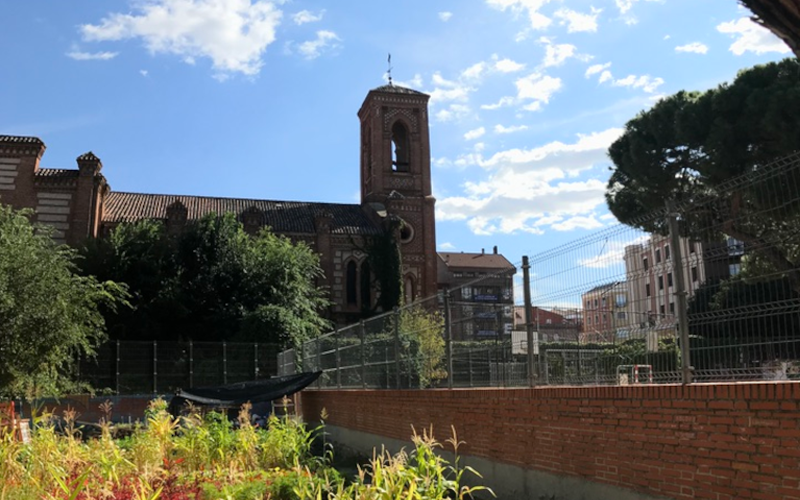
Cover Image: Our Lady of the Rosary Cathedral in Manizales in the aftermath of the earthquake, the seat of the Archbishop of Manizales.