#UK #England – In the years following a detailed historical investigation, the Church of England’s financial arm committed substantial resources to address links between a predecessor fund and the transatlantic slave trade, establishing what became known as Project Spire or the Fund for Healing, Repair and Justice.
The process began in 2019 when the Church Commissioners commissioned research into the origins of their endowment. Investigators examined Queen Anne’s Bounty, a fund created in 1704 to support poorer clergy. By 2022 and 2023, reports concluded that the Bounty had held investments connected to the South Sea Company, which transported more than 34,000 enslaved Africans across the Atlantic, and had received donations linked to figures involved in the trade. Separately, historical records showed the Society for the Propagation of the Gospel had operated the Codrington sugar plantations in Barbados using enslaved labour for more than a century, with high-level Church approval for related expenditures.
In response, the Church Commissioners announced a £100 million funding commitment in early 2023, to be delivered over roughly nine years. Officials described the money as supporting a program of impact investment, research, and engagement aimed at communities affected by the legacies of African chattel enslavement. The initiative was framed as an act of repentance and repair rather than direct payments to individual descendants. An independent Oversight Group later recommended accelerating the timeline and scaling the effort toward £1 billion or more through growth and external participation, while calling for broader acknowledgements of historical harms. The Commissioners accepted many of the recommendations but maintained their core £100 million pledge.
Opposition mounted steadily. Critics, including some historians, questioned whether certain South Sea annuities represented direct exposure to the slave trade or primarily government-backed debt instruments, arguing the financial benefits had been overstated. Parishioners, MPs, and peers raised legal concerns that the endowment’s charitable purposes centred on supporting ministry, clergy, and church buildings in England, and warned that the project risked diverting attention and resources from struggling local churches. Polls of churchgoers indicated majority preference for prioritizing parish needs. By late 2025, a group of parliamentarians wrote to the incoming Archbishop of Canterbury urging the plan’s abandonment.
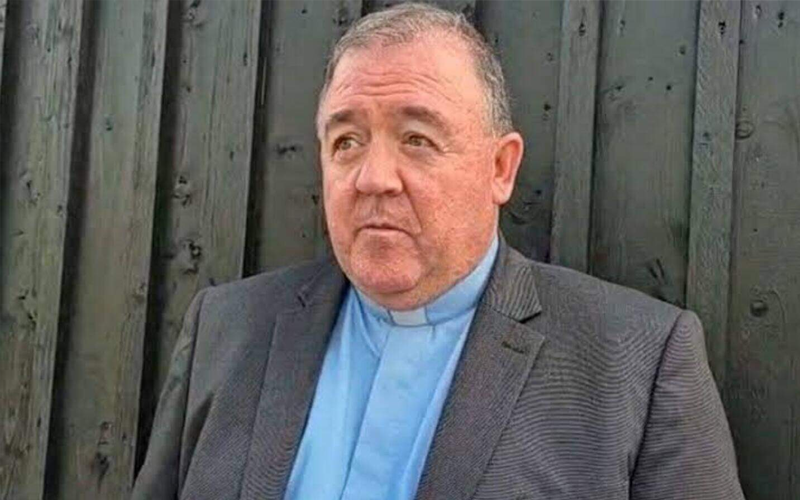
Dame Sarah Mullally took up the role of Archbishop of Canterbury in early 2026. She and other senior figures, including the Bishop of Norwich, Graham Usher, and the Archbishop of York, Stephen Cottrell, repeatedly defended the initiative. At the July 2026 General Synod, Usher confirmed that a legal challenge had delayed plans to register the new charitable entity with the Charity Commission. He stated that Project Spire had not been abandoned and that the challenge would be factored into the timetable in a disciplined manner. By that point, the Commissioners had already spent about £1.15 million on research, consultancy, and related fees.
In late July 2026, during a pastoral visit to Ghana, Mullally toured Cape Coast Castle, a former holding site for enslaved Africans. She described the experience as deeply moving and renewed her commitment to the fund, saying the Church had played a part in the trade and that Christian repentance required action to support affected communities. Ghanaian officials welcomed the stance amid broader international discussions on reparative measures.
As of early August 2026, the Church Commissioners continued preparatory workstreams on theology, governance, investment, and grant-making. Officials emphasized that the £100 million sat alongside much larger ongoing distributions for the Church’s core mission and that ordinary parish donations would not fund the project. Supporters viewed the effort as a necessary moral response to documented historical ties. Critics maintained that the historical case remained contested, the legal basis uncertain, and the priorities misplaced while many English churches faced practical pressures. The fund itself remained unrealized pending resolution of the legal issues.
Image: