#USA #FL – On July 31, 2026, Florida Attorney General James Uthmeier sent a formal letter to the Florida Conference of Catholic Bishops warning that Catholic schools refusing to grant religious exemptions from required immunizations risked losing eligibility for state educational scholarship and voucher programs.
Uthmeier, who identified himself as Catholic in the correspondence, addressed the four-page letter to conference Executive Director Michael Sheedy. He stated that it had come to his attention that at least one Catholic diocese or school system planned to deny religious exemptions for the 2026-2027 school year, which was set to begin in most districts around August 10.
Florida law under Statute 1003.22 required students in both public and private K-12 schools to receive certain vaccines, including those against polio, measles, rubella, pertussis, mumps, diphtheria, and tetanus. The statute also mandated that schools honor written parental objections based on religious tenets or practices, typically documented through Form DH 681 issued by county health departments. Medical exemptions certified by licensed physicians remained available.
Many Catholic dioceses in Florida, including policies referenced from Pensacola-Tallahassee and Orlando, required full immunization documentation for enrolment and did not accept religious exemptions. Officials cited Catholic teaching that the use of vaccines—even those historically linked to cell lines derived from aborted fetal tissue, such as components in the MMR vaccine—was not intrinsically evil or immoral. Schools continued to accept properly documented medical exemptions.
In his letter, Uthmeier argued that Catholic doctrine, including references to the Catechism, papal statements attributed to Pope Leo, and Church teachings on conscience and parental rights as primary educators, did not compel schools to force students to receive such vaccines against sincerely held religious objections. He wrote that the Church had historically encouraged abstinence from vaccines produced with aborted fetal tissue when alternatives existed, while recognizing moral permissibility in certain circumstances, and that no one should be compelled against conscience.
“I therefore urge Catholic schools to comply with Florida law and grant religious exemptions to school vaccine policies. Failure to comply could jeopardize eligibility for state educational scholarship programs,” Uthmeier stated. He requested a written response by August 7 clarifying any religious grounds for denying the exemptions.
At the time, more than 500,000 students statewide participated in Florida’s private school voucher and scholarship programs, which accounted for roughly a quarter of the state’s education budget as of earlier in 2026. Many Catholic schools enrolled students funded through these programs.
The Florida Conference of Catholic Bishops responded promptly, stating that leaders were reviewing the letter and would reply by the requested deadline. Spokesperson Michele Taylor affirmed: “Be assured, Florida’s Catholic schools are operating in accord with the law and Church teaching.”
Uthmeier also posted about the letter on social media platform X, noting the irony of Catholic schools not offering religious exemptions required by state law and encouraging parents to raise questions with school officials. No formal enforcement action had been announced as of the following day.
During the COVID-19 pandemic, Catholic bishops and Church-affiliated institutions across the United States, including in Florida, actively assisted vaccine distribution efforts and received commendation from public figures for their part in the vaccination rollout. U.S. Conference of Catholic Bishops leaders issued statements affirming the moral permissibility of available vaccines as an act of charity and solidarity for the common good, while individual bishops such as Miami’s Archbishop Thomas Wenski publicly received doses at Catholic Health Services facilities to encourage uptake.
Parishes and diocesan sites, including St. Rose of Lima in the Diocese of Orlando and others, hosted community vaccination clinics in partnership with local public health authorities, and Catholic nursing homes and hospitals facilitated priority administration to residents and staff. To this date, the involvement of the Church in the rollout of the controversial mRNA vaccines remains a divisive topic among faithful Christians.
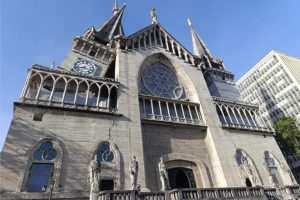
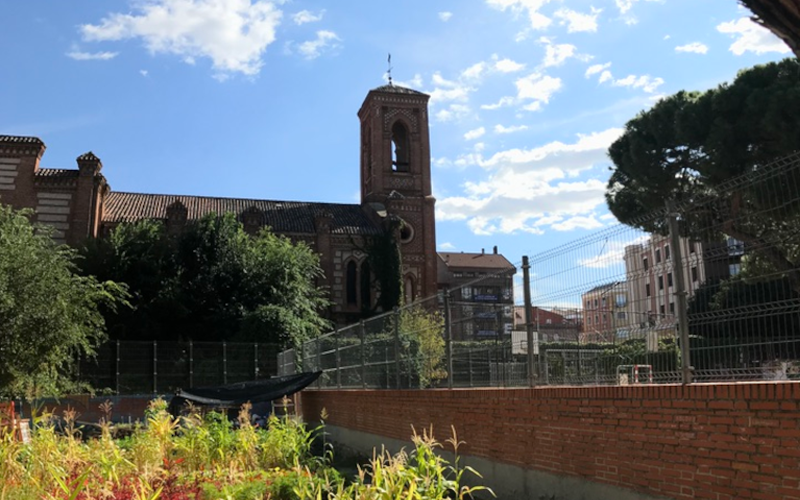
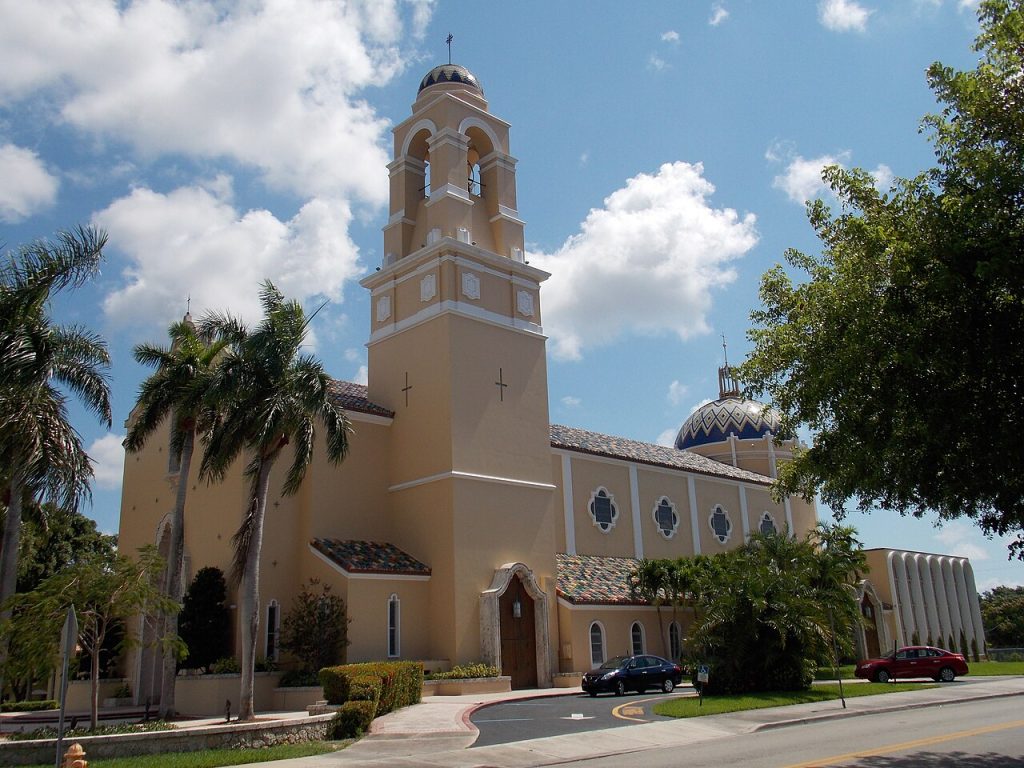
Image: Cathedral of Saint Mary in Miama, the seat of the Metropolitan Archbishop of Miami, which oversees the Ecclesiastical Province of Miami, comprising the State of Florida.