#Venezuela – Twin powerful earthquakes rocked northern Venezuela on June 24, 2026, killing at least 1,430 people, injuring thousands more, and leaving tens of thousands missing as rescue efforts continued amid widespread destruction.
The quakes, measuring magnitudes 7.2 and 7.5, struck just 39 seconds apart near Yaracuy State west of Caracas, with the epicenter affecting coastal areas including La Guaira — the hardest-hit region — as well as the capital and surrounding states. The tremors occurred on a national holiday during a World Cup match, when many residents were indoors, contributing to the high casualty count.
By late June, the death toll had climbed to around 1,430–1,719 according to official and media reports, with the United Nations warning it could rise further. More than 3,200 were injured, and over 50,000 remained unaccounted for. The UN estimated that up to 6.76 million people could be affected, requiring urgent shelter, water, sanitation, healthcare, and relief supplies. Physical damage was projected at $6.7 billion, equivalent to about 6% of Venezuela’s GDP.
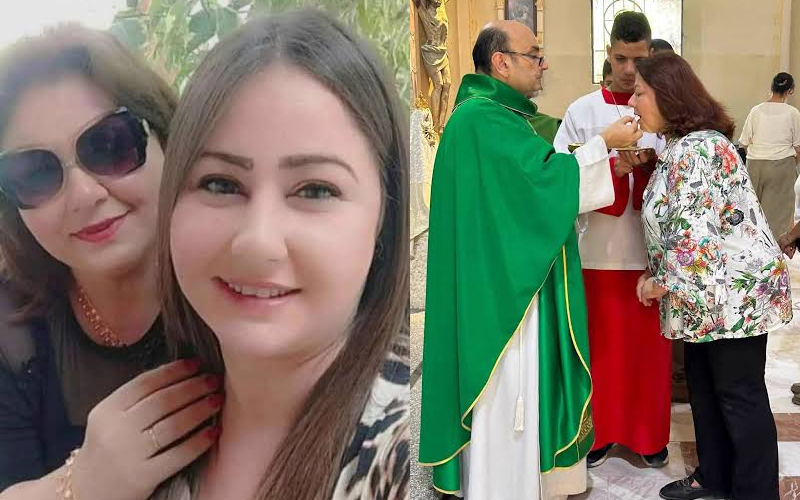
The disaster struck an already vulnerable population, exacerbating longstanding economic and political challenges. Venezuelan Christians, including Protestants and Catholics, suffered direct losses. In La Guaira and other areas, church members died when buildings collapsed. Reports highlighted cases such as a grandmother and granddaughter from a Church of Christ killed by a falling wall, a couple in La Guaira, and other parishioners among the dead or missing.
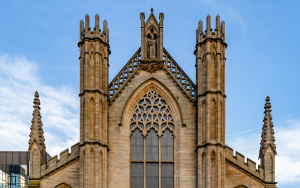
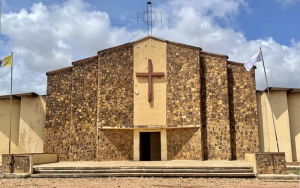
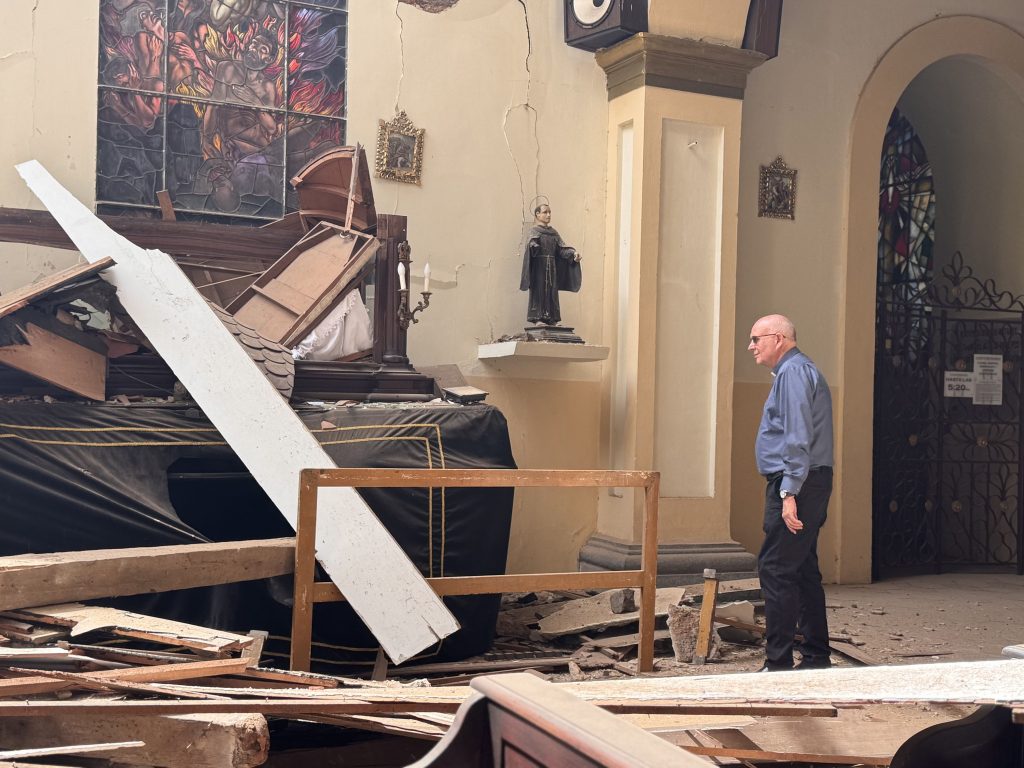
Catholic structures sustained significant damage. The Cathedral of Caracas and roughly a dozen (later reports cited up to 25 in the archdiocese) parishes suffered structural harm, with some roofs collapsing and parish houses destroyed. Archbishop Raúl Biord Castillo toured damaged sites, noting that while buildings were lost, human lives remained the priority. Masses shifted outdoors for safety in affected areas. No major casualties among clergy or seminarians were widely reported, though seminaries faced displacement.
Protestant congregations also faced losses. The Yo Soy Church, a Pentecostal congregation in Maiquetía, saw its building collapse entirely. Pastors described members left homeless and communities disrupted by power outages, water shortages, aftershocks, and fears of looting.
In the aftermath, churches stepped forward where government response was perceived as slow or inadequate. Christian groups organized donation drives, prepared meals for the displaced, provided medical supplies, and opened shelters. Baptist conventions and evangelical councils coordinated aid, while international organizations like Samaritan’s Purse deployed field hospitals and World Vision focused on child protection and hygiene.
Archbishop Biord called for unity, prayer, and charity. Pope Leo XIV sent an initial €100,000 in emergency aid. Local pastors emphasized resilience, preaching from passages like Psalm 46 about God as refuge amid trembling earth.
As rescue windows closed and recovery began, Venezuelan Christians continued to support affected communities, turning grief into acts of service despite their own losses. The full extent of long-term rebuilding for both lives and church infrastructure remained uncertain in the weeks following the disaster.
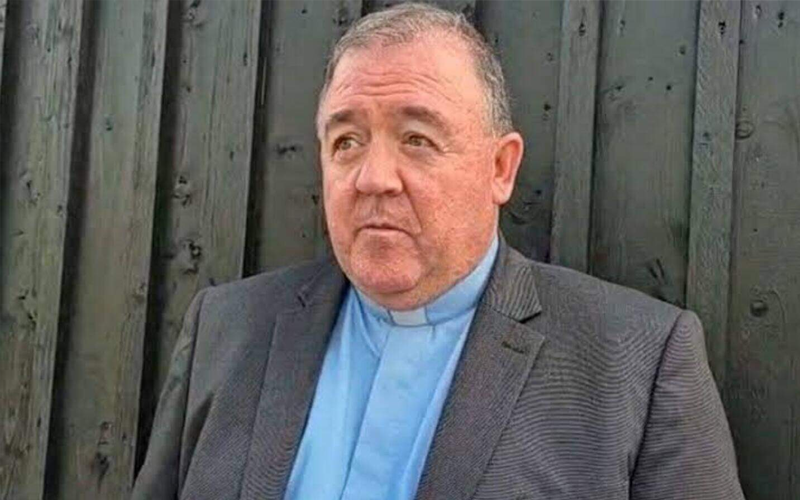
Image: Archbishop Raúl Biord Castillo seen in the ruins of a church in Venezuela following the twin earthquakes.