#China #InnerMongolia – Chinese authorities enlisted state-sanctioned Catholic organizations to promote a new national law aimed at fostering ethnic unity, according to reports published in early June 2026. The initiative highlighted ongoing government efforts to align religious groups with Communist Party policies on Sinicization and national cohesion.
Priests from the Chinese Patriotic Catholic Association distributed booklets explaining the Law on Promoting Ethnic Unity and Progress during events in Inner Mongolia, as documented by the religious liberty outlet Bitter Winter on June 2. The law, passed by China’s National People’s Congress on March 12 and signed by President Xi Jinping, took effect on July 1.
The legislation embedded Xi’s vision of a unified “Chinese national community” into law. It required religious organizations, schools, enterprises, and social groups to promote loyalty to the Chinese nation, the Communist Party, and “socialism with Chinese characteristics.” Critics, including the European Parliament, condemned it as a tool for forced assimilation that restricted cultural, linguistic, and religious freedoms among ethnic minorities such as Mongols, Uyghurs, and Tibetans.
- See more: Chinese Christians face increased levels of persecution in mainland China due to communist pressure
Local branches of the Patriotic Catholic Association organized the promotional events, where clergy handed out explanatory materials and discussed the law’s requirements. Official Catholic websites and publications across China echoed similar themes, praising the measure as advancing social cohesion and the Sinicization of religion. The Patriotic Catholic Church emerged as one of the most active participants in the campaign.
The Chinese Catholic Patriotic Association, established in 1957, operates as the government-approved body for Catholicism in mainland China. It falls under the oversight of the United Front Work Department and aligns with state policies. Estimates placed the number of Catholics in China at around 10 million, with roughly half worshipping in registered churches tied to the Association.
This development unfolded against the backdrop of the renewed 2018 Sino-Vatican provisional agreement on bishop appointments. The deal, extended multiple times, allowed the Vatican input on selections while permitting the Chinese government significant influence. It aimed to unify the Church but drew criticism for marginalizing underground Catholics loyal to Rome and enabling greater state control.
Human rights advocates warned that the ethnic unity law extended assimilationist policies already seen in regions like Xinjiang, Tibet, and Inner Mongolia. These included Mandarin-language mandates in education, promotion of mixed communities, and reinterpretation of religious teachings to align with Party ideology.
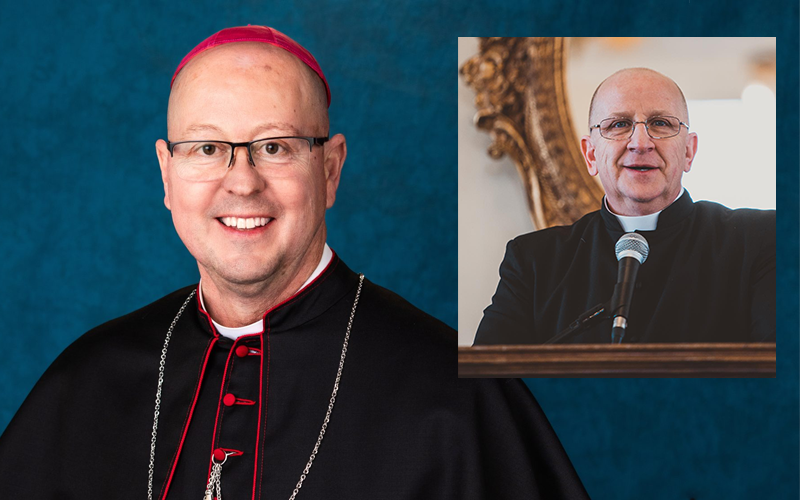
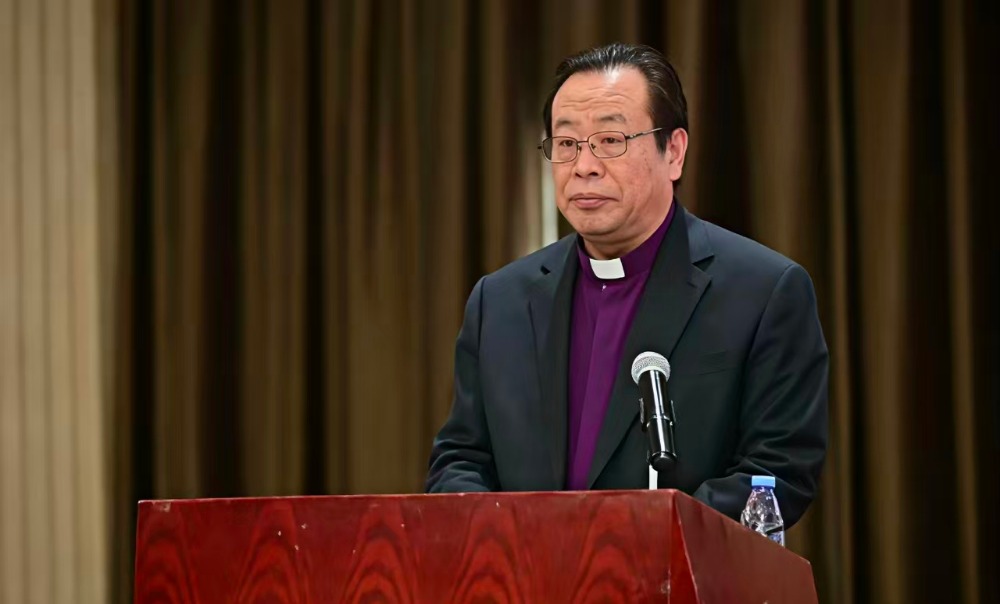
Image: Archbishop of Beijing, Joseph Li Shan, President of the Chinese Patriotic Catholic Association.