#EU #Germany #Bavaria – In a move that reignited debates over religion, culture, and secularism in Germany, the Bavarian state government under Minister-President Markus Söder implemented a decree in 2018 mandating the display of Christian crucifixes in the entrances of all state administrative buildings.
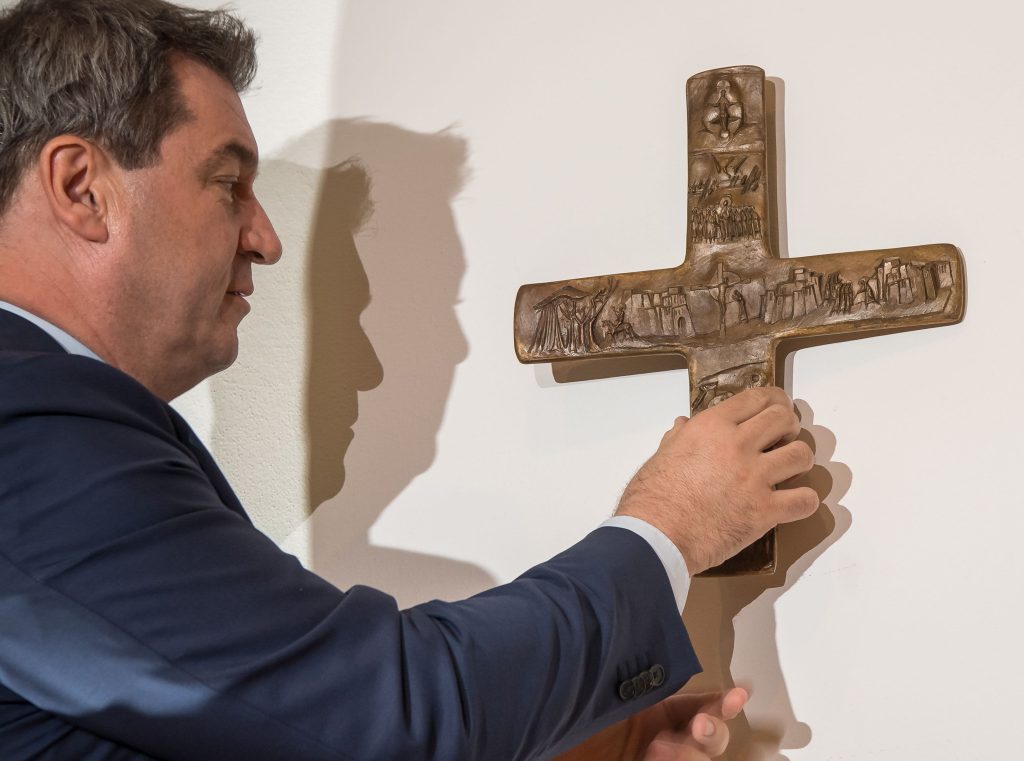
The policy, known as the Kreuzpflicht or “cross obligation,” took effect on June 1, 2018. It required a crucifix to be hung prominently in the entrance areas of public offices, police stations, courts, and other state facilities as “an expression of Bavaria’s historical and cultural identity.” Söder, leader of the conservative Christian Social Union (CSU), personally installed a cross at the State Chancellery to mark the occasion.
The decree exempted universities, museums, and theaters, though the government encouraged voluntary displays there. It did not apply to federal or municipal buildings. Söder framed the crosses not primarily as religious symbols but as representations of Bavaria’s deep Catholic heritage and Western Christian traditions in a region long known for its strong faith.
The initiative sparked immediate controversy. Critics, including some Catholic theologians, liberal politicians, and secular groups, accused the CSU of politicizing religion ahead of state elections and infringing on freedom of belief amid rising immigration and religious diversity. Opponents likened it to religious imposition, while supporters viewed it as a necessary affirmation of cultural roots.
Legal challenges followed. In December 2023, Germany’s Federal Administrative Court in Leipzig ruled in favor of the policy, determining that the crosses constituted an administrative regulation expressing cultural identity rather than a violation of religious freedom or constitutional rights. The court allowed the displays to remain in state buildings.
However, the policy faced limits in specific contexts. In July 2025, the Bavarian Administrative Court ordered the removal of a large crucifix from a state grammar school, ruling that it infringed on pupils’ religious freedom. That decision highlighted distinctions between general administrative offices and educational settings.
Bavaria, one of Germany’s most traditionally Catholic states, has maintained the displays in qualifying buildings, reflecting ongoing efforts to preserve regional identity. The policy continued to draw both praise from traditionalists and criticism from secular advocates years after its introduction.
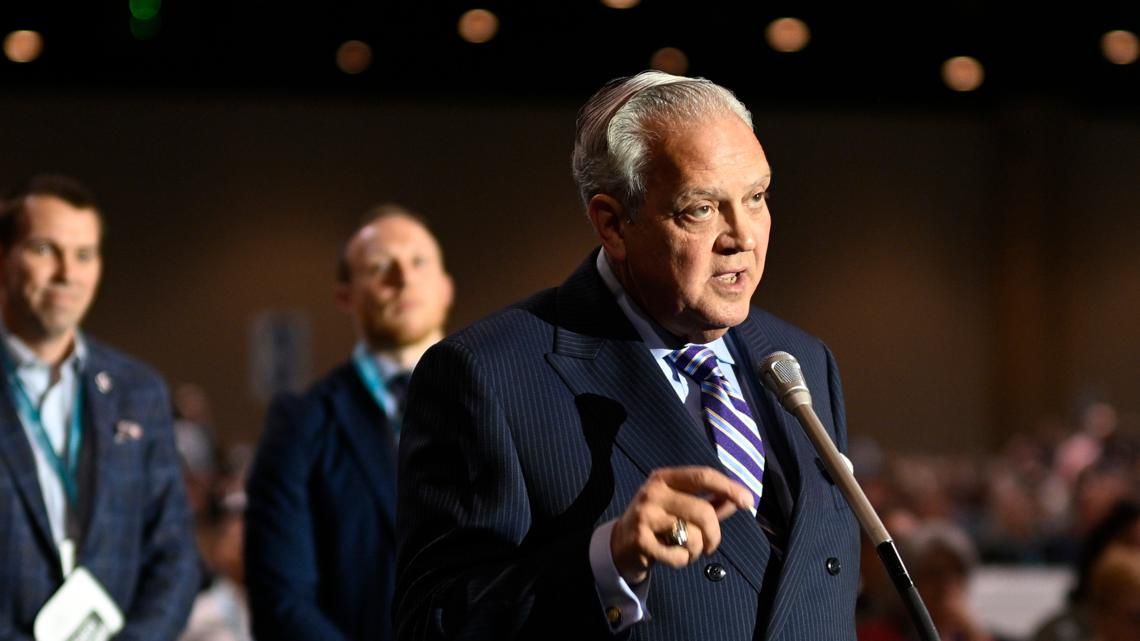
Image: Markus Söder placing a crucifix as part of Kreuzpflicht.