#EU #Poland – Poland’s lower house of parliament passed legislation on Friday that would extend significant legal protections to unmarried cohabiting couples, marking the first formal recognition of same-sex partnerships in the country’s history. President Karol Nawrocki swiftly indicated he would veto the measure.
The Sejm approved the bill by a vote of 230 to 198, with one abstention. A companion implementing bill, which amends nearly 200 existing laws to extend spousal-like rights to registered cohabiting partners, passed by the same margin.
Under the proposed law, two adults — regardless of gender — could sign a notarized cohabitation agreement and register it at a civil registry office. This would grant them “closest person” status, providing rights such as shared property arrangements, maintenance (alimony) obligations, access to a joint home, the ability to act as each other’s medical proxy, inheritance and gift tax exemptions, joint tax filing, survivor pensions, caregiving leave, and other practical protections in areas including social security, banking, and criminal proceedings.
Equality Minister Katarzyna Kotula, a co-author of the legislation, hailed the vote as a major step forward. “For several months, many people worked on this project so that more than three million Poles could feel more dignity and security — both heterosexual families and, above all, LGBT couples who pay taxes but are still invisible to the state,” she wrote on X.
The legislation emerged as a compromise after more ambitious civil partnership proposals faced resistance. It aimed to address the practical needs of a growing number of cohabiting couples. According to the 2021 national census, the number of unmarried couples living together rose from 316,500 in 2011 to 552,800, even as overall marriages declined and the number of families fell.
In the past month, Poland complied with an EU court order to recognize “foreign” same-sex marriages, and in the same announcement, Polish Prime Minister Donald Tusk apologized to homosexuals for this delay and the inability of the country to recognize same-sex marriages.
President Nawrocki, a conservative aligned with the opposition Law and Justice (PiS) party, quickly signalled his opposition. “I am the guardian of the Constitution. The Constitution states explicitly that marriage is a union between a man and a woman,” he said, adding that he would only consider signing a version limited to practical and administrative fixes that did not undermine the institution of marriage.
Prime Minister Donald Tusk urged caution, saying he was “convinced that any decent person should think very hard before taking a negative decision” on the bill. He noted that Nawrocki found it “much easier to veto and block than to help.”
Opposition parties, including PiS and Confederation, voted against the bills, along with some lawmakers from the junior coalition partner PSL.
If vetoed — as widely expected — the Sejm could attempt to override the president’s decision with a three-fifths majority, though that threshold may prove difficult to meet given the voting margins.
The development highlights deep divisions in Polish society and politics between the pro-EU coalition government advancing social reforms and a conservative presidential office committed to traditional family values. The bill stopped short of creating full civil unions or marriage but represented a limited yet significant expansion of rights for unmarried partners in a country where same-sex relationships have long lacked legal recognition.
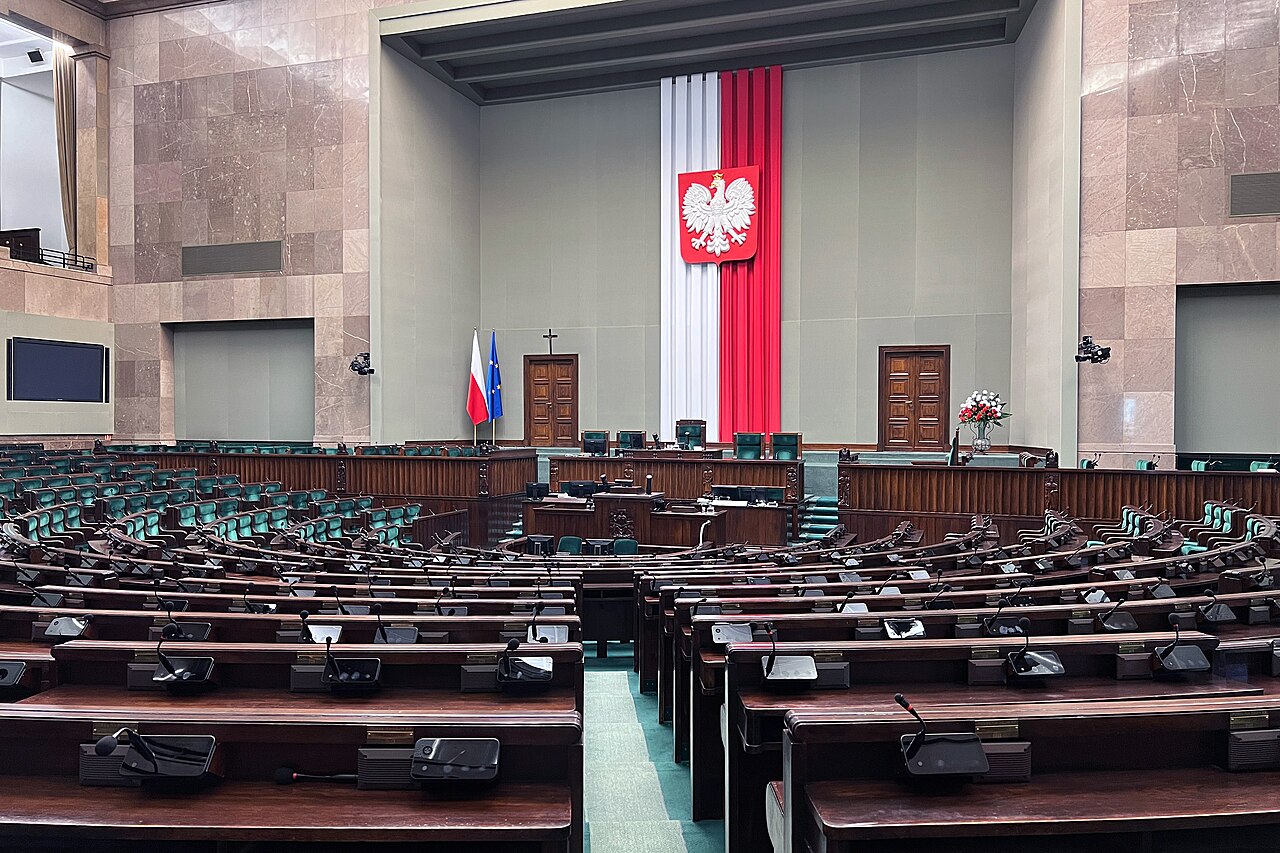
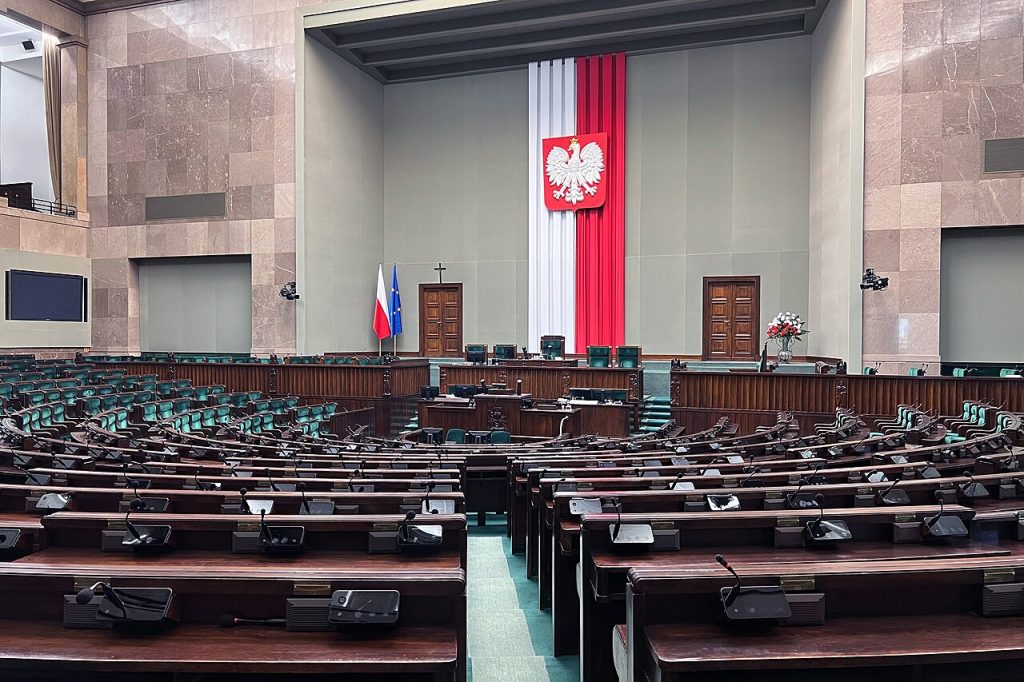
Image: Polish Sejm in Warsaw.