#EU #France – Catholic clergy in France voiced strong opposition Thursday to a controversial legislative proposal set for debate in the National Assembly on Monday, June 1. The measure, which seeks to force clergy to violate the seal of confession in cases of violence or abuse involving minors in school settings or else face penalty, has reignited long-standing tensions between state authority and religious freedom.
The bill, introduced by deputies Violette Spillebout of Ensemble pour la République (EPR) and Paul Vannier of La France Insoumise (LFI), stems from a parliamentary inquiry into violence in educational institutions. That probe gained momentum following high-profile scandals, notably at the Bétharram school, where allegations of abuse in Catholic-run facilities drew widespread attention.
Proponents framed the legislation as a critical step to protect children, enhance oversight of both public and private schools, extend statutes of limitations for failure to report abuse, and establish a national compensation fund for victims. A key provision explicitly requires ministers of worship, including Catholic priests, to report knowledge of violence against minors — even if obtained during sacramental confession.
The French Bishops’ Conference and Catholic leaders swiftly condemned the proposal. They argued that it directly assaults the inviolable “seal of confession,” a cornerstone of Catholic doctrine rooted in canon law. Under Church teaching, priests who violate this absolute secrecy face automatic excommunication. The Catechism of the Catholic Church describes the seal as admitting “no exceptions,” ensuring penitents can approach the sacrament without fear of disclosure. Even if passed, Catholic clergy in France would be expected to hold to this seal and face prison time than to violate the seal and face excommunication.
Church officials emphasized that while priests hold a moral and legal duty to report abuse learned outside confession, the sacrament itself operates under divine law that no civil authority can override. Critics within the Church warned that the bill risks politicizing child protection to advance a secular agenda, potentially undermining religious liberty and the separation of Church and state.
The proposal’s backers, including figures linked to Gabriel Attal’s EPR group, countered that no professional secret — including confessional privilege — should obstruct the fight against child abuse. They pointed to prior recommendations from the 2021 Ciase report on clerical abuse, which similarly urged limits on confessional secrecy.
The debate unfolded against a backdrop of broader scrutiny of Catholic institutions in France. Supporters of the bill highlighted institutional “silence” in past cases, while opponents, including legal experts on religious freedom, questioned its constitutionality and practicality. Many noted that priests would likely refuse to comply, viewing the measure as unenforceable without violating core beliefs.
As the National Assembly prepared to examine the text, the controversy underscored deep divisions in French society over balancing child safeguarding with respect for religious practices. The Church maintained its commitment to combating abuse through internal reforms and cooperation with civil authorities where possible, while firmly defending the sacrament’s sanctity.
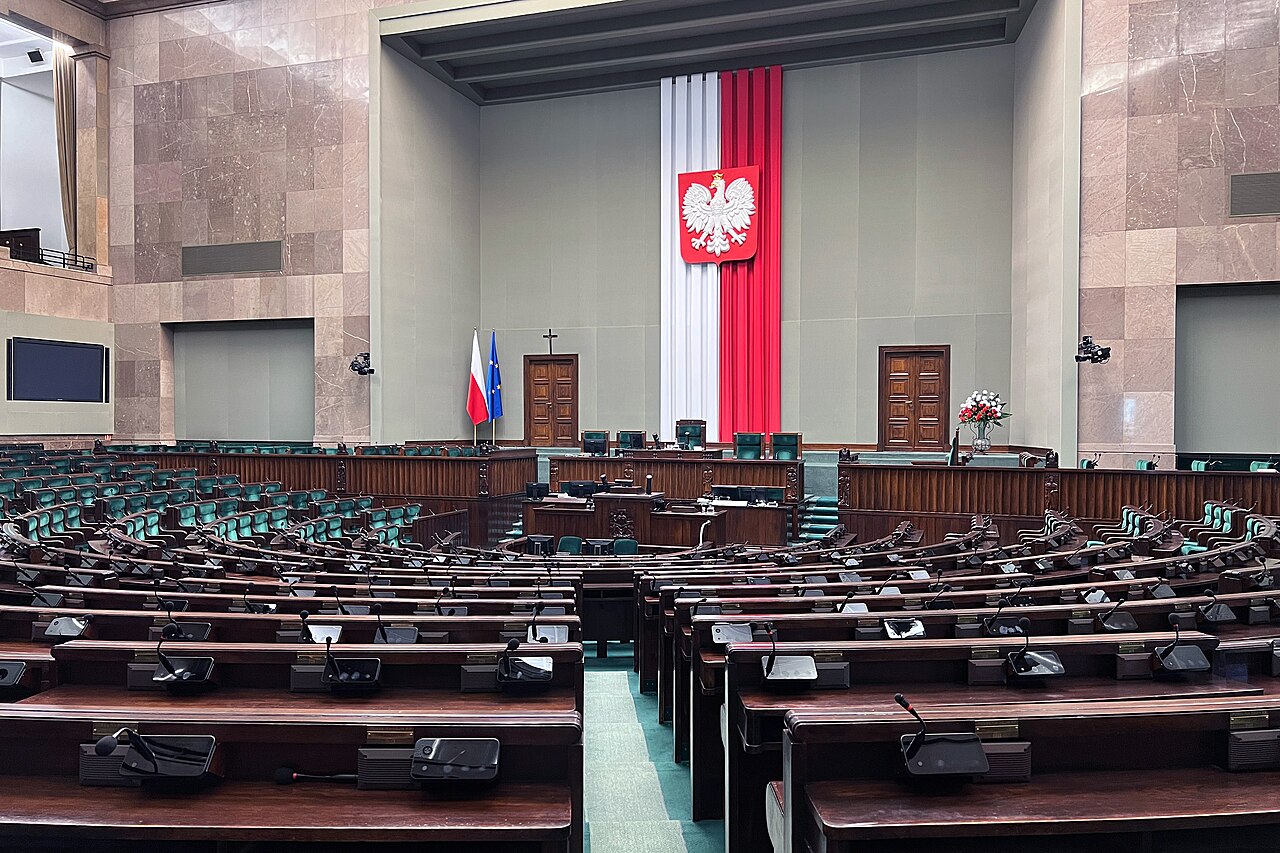
Image: The French National Assembly in Paris, France.