#USA #Maryland – The Supreme Court of Maryland has decided to block the release of names of abusers and those complicit in the sexual abuse of children in the Diocese of Baltimore from the 1940s to present.
In 2018, Maryland’s attorney general launched a grand jury investigation into the Roman Catholic Archdiocese of Baltimore, inspired by similar probes elsewhere like Pennsylvania in 2018. The goal was to examine child sexual abuse by clergy and church employees, as well as how the church handled those incidents.
In April 2023, the Maryland Attorney General Anthony Brown released a 456 page report that found 156 priests, deacons, seminarians, and other personnel had credible allegations against them of child sex abuse in the diocese. More than 600 of the children were known victims, with likely higher numbers including unknown victims. This abused span from the 1940s to the present age. Church leaders repeatedly ignored complaints, moved priests around, failed to report to police, or actively concealed the abuse.
The Attorney General’s office wanted to publicly name people accused of covering up the abuse or failing to report it—clergy and laypeople who weren’t the direct abusers but helped keep it secret. These individuals were never charged for their crimes. The attorney general argued that the public had a right to know for accountability purposes and to protect future children. Initially, the lower courts ruled that all but 3 names could be released. Those named in the report appealed the decision, resulting in 17 names being redacted.
The Supreme Court of Maryland stepped in and ruled that prosecutors could not release these 17 names to protect innocent or uncharged people from public shame or “the court of public opinion.” The court said public interest in transparency does not override that secrecy when someone objects and hasn’t been charged.
Critics and survivors of the child sex abuse argue that people who cover up child abuse are dangerous and that families deserve to know who they are to protect kids. One survivor said covering up a crime like this means the person “is capable of potentially doing it again.”
The Archdiocese of Baltimore welcomed the decision. Spokesperson Christian Kendzierski called it a win for “longstanding grand jury practice that protects the rights of individuals” and prevents naming people “without any meaningful opportunity to defend themselves.”
The Maryland report was one of the most detailed in the U.S., but the Supreme Court drew a firm line: naming uncharged people for “accountability” isn’t allowed under current law. The 17 names stay secret for now, even though the direct abusers’ stories are mostly public.
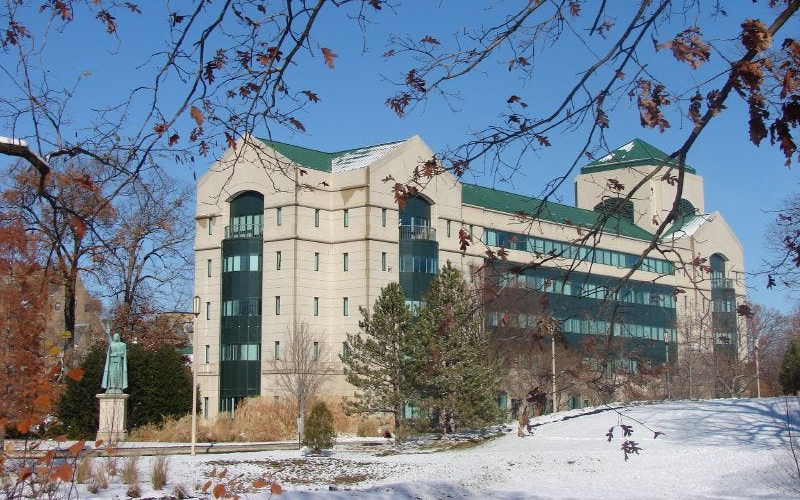
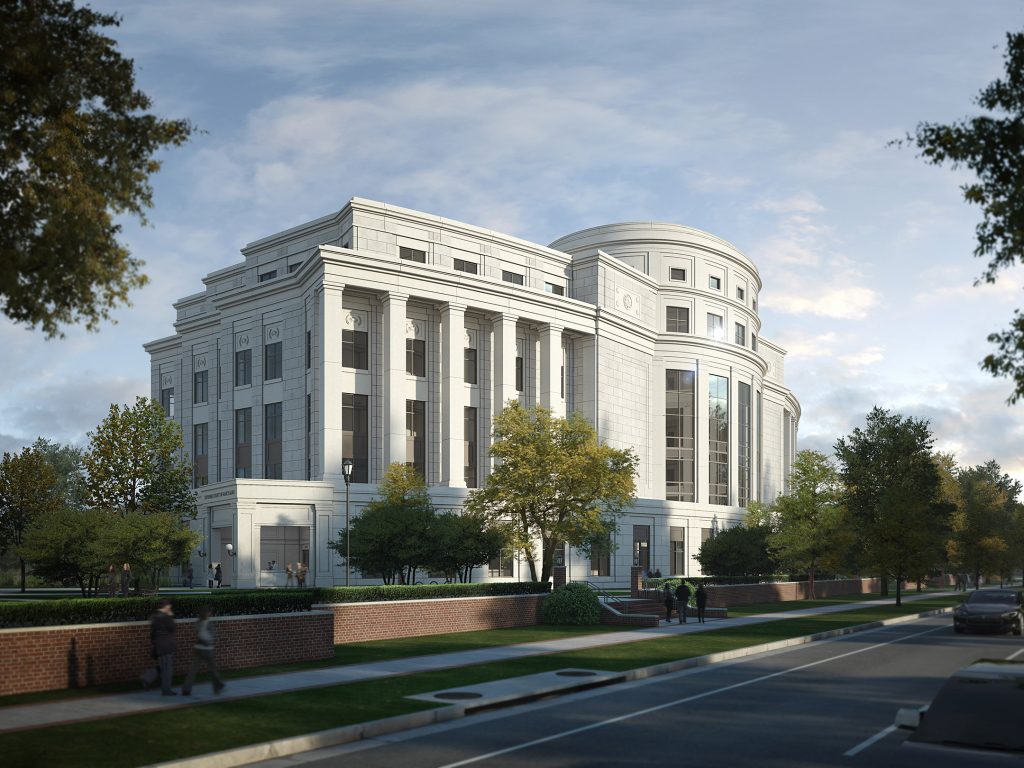
Image: The Maryland Supreme Court building.