#USA #California – On March 2nd, 2026, the Supreme Court of the United States (SCOTUS) reinstated a district court’s permanent injunction on California state policies and guidance (often tied to the SAFETY Act and related district-level rules) that generally prohibited or strongly discouraged school staff from notifying parents about a student’s request to socially transition at school. These policies and laws included withholding information without the student’s consent on changes in preferred names, pronouns, restroom use, or other gender expression. Critics called these “parental exclusion” or “gender secrecy” policies, arguing they allowed schools to actively conceal or mislead parents about significant aspects of their child’s well-being and identity during school hours. The court case, Mirabelli v. Bonta, is a federal lawsuit filed in 2023 in the U.S. District Court for the Southern District of California.
In December 2025, U.S. District Judge Roger T. Benitez ruled in favor of the plaintiffs at summary judgment. He found the policies unconstitutional, permanently enjoining the state from enforcing rules that mislead or conceal a student’s “gender presentation” or social transition from parents. He also prohibited schools to use names/pronouns different from a child’s legal name and natal sex without parental direction/consent. The ruling emphasized that a child’s gender incongruence is a significant health and family matter, and parents have a fundamental right to be informed.
California appealed, and the 9th U.S. Circuit Court of Appeals issued a temporary stay blocking the district court’s injunction. The Supreme Court then reinstated the injunction on March 2nd, 2026. The high court indicated the parents were likely to prevail on claims involving parental rights and religious freedom.
The case has been framed by supporters as a major victory for parental rights, especially among faith communities concerned about schools overriding family authority on sensitive issues. Opponents viewed the policies as necessary protections for student privacy and safety, particularly for youth who might face rejection or harm at home. The underlying appeal to the 9th Circuit continues, so further developments are possible.
Update: On March 30, 2026, Judge Benitez issued an 8-page order requiring the state of California to pay approximately $4.52 million in attorney fees to the plaintiffs’ legal team. The judge criticized California’s “litigation intransigence” — including repeated motions to dismiss (even after prior denials), appealing prematurely, and withdrawing meritless arguments — which prolonged the case and increased costs. He noted the high amount reflected the case’s importance (involving core constitutional questions of parental rights and religious freedom) and the state’s aggressive defence strategy.
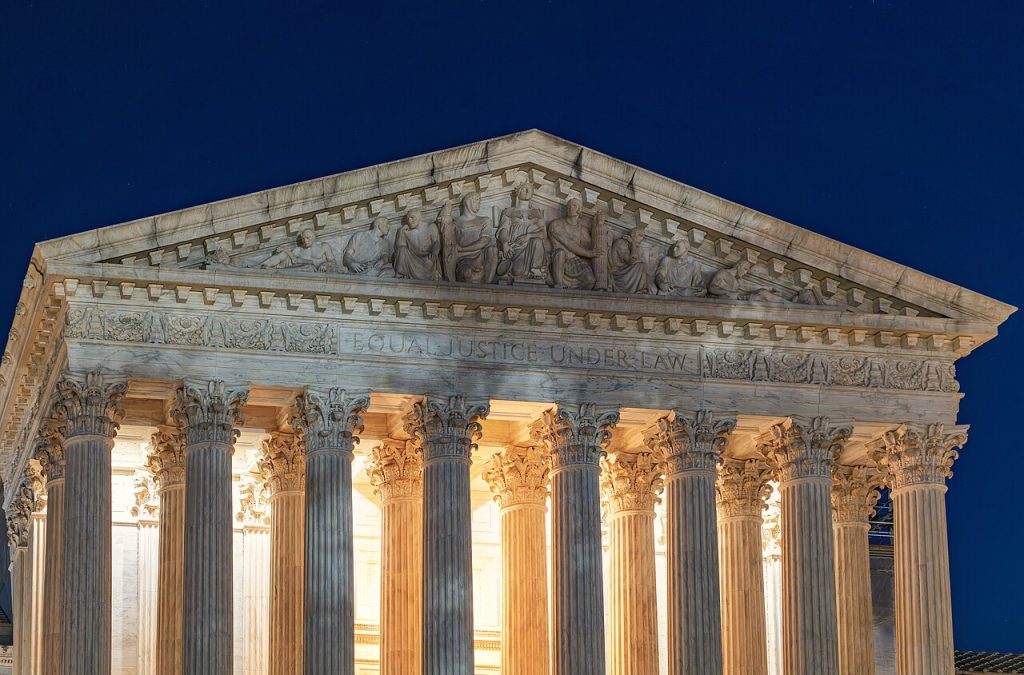
Image: Supreme Court of the United States building in Washington D.C. at night.