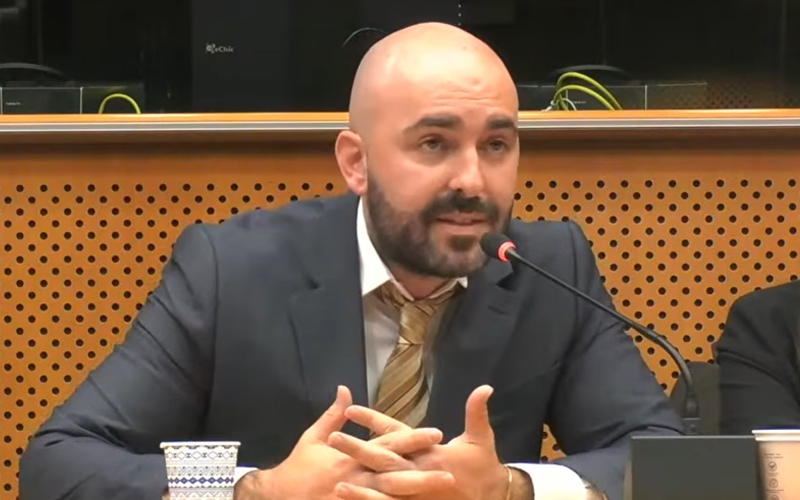
#EU #Belgium #Brussels – A group of former LGBT-identifying Christians, led by Maltese believer Matthew Grech, addressed members of the European Parliament this week, cautioning that an EU-wide push to ban “conversion practices” could criminalize personal testimonies, pastoral counseling, and voluntary support for adults seeking help consistent with their faith.
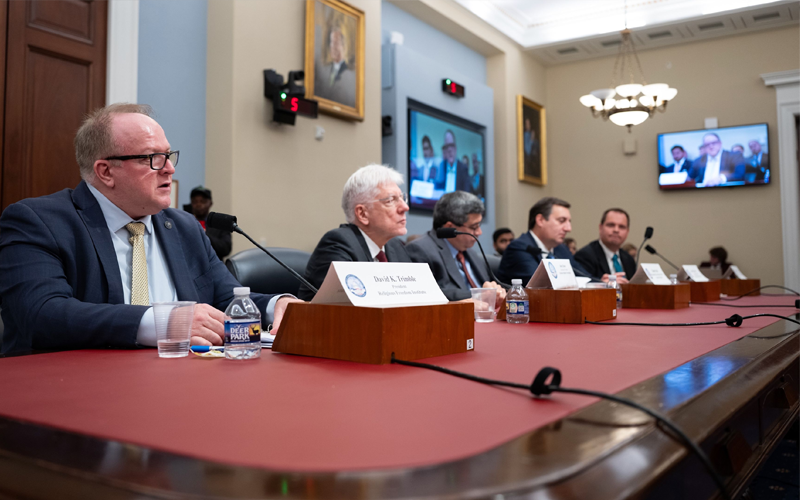
The event, titled “Protecting Freedom of Speech in the Context of ‘Conversion Practices’ Legislation in Europe,” took place around November 19, 2026. It was organized by Italian MEP Paolo Inselvini of the Brothers of Italy (FdI) party. Speakers included Grech, legal counsel Roger Kiska of the Christian Legal Centre, and representatives from groups such as the International Federation for Therapeutic and Counseling Choice.
Grech, who had endured more than three years of criminal proceedings in Malta after publicly describing how he left a homosexual lifestyle following his Christian conversion, told lawmakers that Malta’s 2016 law served as a cautionary example. Malta became the first European Union country to ban conversion practices through its Affirmation of Sexual Orientation, Gender and Gender Expression Act. In a 2022 interview on the PMnews Malta platform, Grech shared his personal story and discussed the availability of pastoral and professional support for people with unwanted sexual feelings. Activists, including an EU equality official, filed a police report, leading to charges against Grech and two journalists for allegedly “advertising conversion practices.”
A Maltese court acquitted all three in March 2026, ruling that sharing a personal life experience did not amount to advertising prohibited practices. Grech later stated that he spent three years in court “for a conversation about my own life,” adding that Malta’s law, once held up as a model, had led to police, prosecutors, and courts deciding which personal stories could be told.
Speakers at the Brussels event argued that vaguely worded bans risked restricting freedom of speech, religion, and conscience. They emphasized that the discussion concerned voluntary adult choices and protection against coercive abuse, not forced interventions. Kiska highlighted tensions with rights under the European Convention on Human Rights related to self-fulfillment and identity.
The gathering occurred as the European Commission prepared to issue a non-binding Recommendation in 2027 calling on all 27 member states to ban conversion practices in national law. The Commission announced the plan in May 2026 in response to a European Citizens’ Initiative that gathered roughly 1.1 million signatures. Commission President Ursula von der Leyen said the practices had “no place in our Union” and affirmed the EU’s vision of equality. The Recommendation was expected to draw on existing national bans, such as Malta’s, while acknowledging that direct EU legislation in this area faced competence limits. Complementary measures, including training for practitioners, were also under discussion.
The event drew immediate criticism from other members of the European Parliament. Italian MEP Alessandro Zan of the Democratic Party described the initiative as “extremely serious” and said it sought to legitimize methods aimed at “curing” homosexuality, which the United Nations had characterized as cruel, inhuman, and tantamount to torture. Other left-leaning MEPs echoed concerns that the event undermined protections for homosexuals. Organizers, including Inselvini, responded that the conference had condemned violence and coercion while defending fundamental European values of free speech, religion, and conscience, and that personal testimonies with outcomes different from those preferred by critics should not be restricted.
Malta’s law, which prohibits practices aimed at changing, repressing, or eliminating a person’s sexual orientation, gender identity, or gender expression, has been cited both by advocates of similar bans and by critics concerned about overreach. The Commission’s planned Recommendation is expected to encourage wider adoption of such measures across the EU.
Cover Image: A still image of Matthew Grech addressing the EU parliament on November 19th, 2026, taken from the video footage that he shared on YouTube.