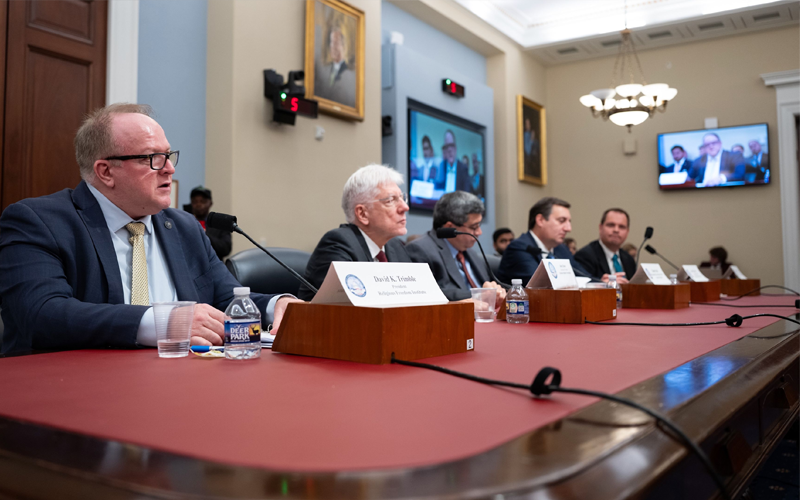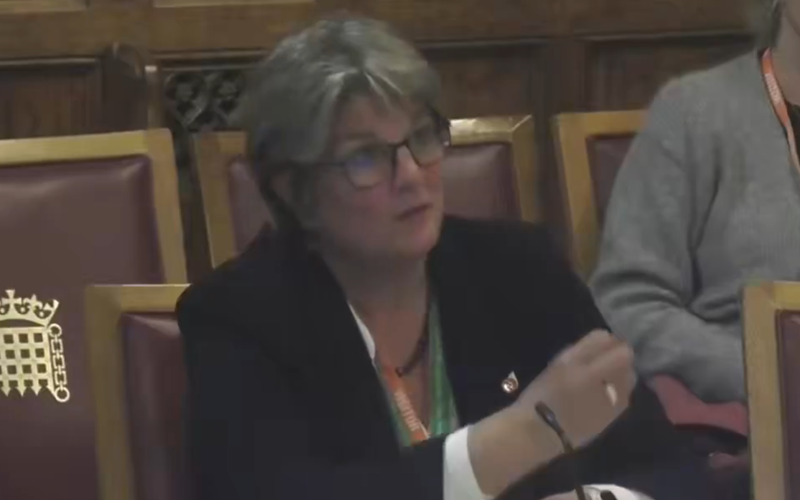
#UK #England – During a parliamentary committee hearing on November 2, 2026, campaigner and Guernsey Deputy Jayne Ozanne outlined which forms of prayer she viewed as potentially criminal under a proposed ban on conversion practices, prompting visible reactions from a lawmaker and later criticism online that the approach could threaten religious freedom.
Ozanne, a longtime advocate who has described her own experiences with prolonged prayer, exorcisms, and related practices as harmful conversion efforts that contributed to her hospitalizations, testified before the Joint Committee on the Draft Conversion Practices Bill. The draft legislation, under scrutiny by the committee, sought to criminalize abusive practices intended to change or suppress a person’s sexual orientation or gender identity in England and Wales.
In an exchange with Labour MP Danny Beales, Ozanne distinguished between prayers asking God to help someone reach “a point of peace” and those with a “predetermined purpose” of making someone straight or suppressing their identity. When Beales asked whether even a single instance of such a prayer should be criminalized, she replied that she would not prosecute over “one little prayer” but would “have a word,” while maintaining that the conduct itself could still fall under criminalization. She added that the criminal line would stand, with decisions about prosecution left to authorities such as the Crown Prosecution Service based on evidence.
Ozanne also addressed the practical challenges of enforcement, stating that evidence of one unwitnessed prayer would likely not support a prosecution, though she called the act “still wrong.” She drew a comparison to rape cases in which the CPS often declines to proceed due to insufficient evidence.
The hearing formed part of the committee’s review of the government’s draft bill. Ozanne, who previously chaired the Ban Conversion Therapy Coalition and has worked with religious leaders on the issue, argued that the draft did not go far enough in some areas, particularly regarding suppression of identity in religious settings and the burden placed on victims to prove serious harm. She has long contended that certain targeted prayers constitute a form of harmful practice.
Footage of the exchange circulated widely on social media. One post by journalist and filmmaker Teresa Smith highlighted Ozanne’s certainty in distinguishing acceptable from potentially criminal prayers and noted that the discussion appeared to surprise Beales. Roman Catholic commentator Matt Fox quote-posted the clip, writing that “if left unchecked, this line of reasoning will lead to Catholicism being banned in the UK (again).” Replies and related posts raised concerns about religious liberty, historical restrictions on Catholics in Britain, and the prospect of police or prosecutors evaluating the content of private prayers.
Critics of the bill, including some Christian organizations and legal commentators, argued that its broad framing risked chilling ordinary pastoral care, parental guidance, and traditional religious teachings on sexuality and celibacy. Supporters, including Ozanne and other witnesses, framed the measures as necessary to address practices that have caused severe psychological distress to some LGBT people, emphasizing that the intent was to target directed, outcome-focused efforts rather than general religious expression.
The committee continued its examination of the draft bill in the following days, with further evidence sessions addressing definitions, consent, harm thresholds, and the intersection with freedom of religion and belief. As of November 4, 2026, the legislation remained in draft form pending the committee’s report.
Cover Image: A still image from the debate in question between Jayne Ozanne and Danny Beales.