#HolyLand #Jerusalem – Anti-Christian harassment incidents in the Holy Land climbed further in the third quarter of 2026, according to data released by the Religious Freedom Data Center (RFDC). The Israeli monitoring group recorded 96 incidents involving 106 acts of harassment between July and September, up from 76 incidents and 83 acts in the preceding quarter and 31 incidents and 44 acts in the first three months of the year.
The large majority of the cases occurred in Jerusalem. Of the 96 incidents, 88 took place in the city, and 77 of those were concentrated in the Old City. Armenian Patriarchate Street accounted for 45 incidents, or 58 percent of those recorded inside the Old City walls. Via Dolorosa and other Old City locations accounted for the remainder. The Armenian Quarter has long been a focal point because of the volume of foot traffic toward the Western Wall.
Spitting made up the bulk of the documented acts. Seventy-seven of the 106 acts involved spitting directed at clergy, religious sisters, pilgrims, or Christian sites and symbols. Smaller numbers of incidents included verbal abuse, physical assault, the throwing of objects, vandalism or defacement of signage, and threats. Among the more serious cases was a pepper-spray assault on a nine-year-old Armenian boy identified as William near the Mamilla area outside the Old City during Yom Kippur; Israeli police later arrested a 22-year-old man from Ganei Modi’in in connection with the attack.
RFDC Director Yisca Harani, a Jewish-Israeli scholar who founded the volunteer hotline and monitoring network in 2023, attributed the rise in part to the Selichot period and the Tishrei holidays. Large numbers of Jewish visitors arrived in Jerusalem and the Old City during those weeks, increasing the opportunities for encounters. The report noted that some perpetrators told volunteers or stated on camera that their actions aligned with religious injunctions against what they regarded as idolatry. Clergy told the organization that weekly incidents of spitting had become routine for many of them. The group estimated that dozens of additional unreported spitting incidents occurred each month.
The RFDC, which operates independently with private funding and a network of Israeli volunteers, works with Christian institutions to document cases, provide protective escorts when requested, and assist in filing police complaints. During the third quarter it submitted 35 complaints, most supported by photographs or video, compared with 12 in the second quarter. Police made arrests in several high-profile cases involving spitting near the Armenian Patriarchate and other sites. The organization stated that without its field presence and reporting, many of the incidents would not have reached the authorities.
The data continued a multi-year pattern tracked by the RFDC of harassment concentrated in Jerusalem’s Old City, particularly affecting the Armenian community and foreign clergy. Mainstream Israeli officials and numerous Orthodox rabbis have condemned the behavior, and police have treated some cases as public-order or hate-related offenses. The RFDC report described growing boldness among perpetrators and called for clearer municipal signage indicating Christian quarters, sustained police presence during high-visitor periods, and consistent prosecution to deter further acts.
The figures covered incidents documented primarily inside the Holy Land, with Jerusalem as the epicenter. Separate reports of violence against Palestinian Christian communities in the West Bank continued during the same period, including attacks in the village of Taybeh during the olive harvest.
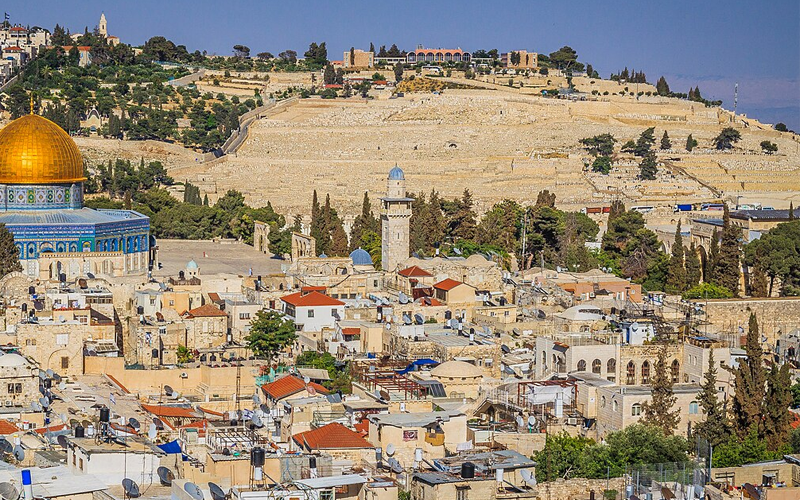
Cover Image: Old City – Jerusalem in the Holy Land.