#USA #DC – The United States House of Representatives advanced aggressive measures to restrict American assistance to Nigeria last month, citing the Nigerian government’s failure to curb widespread violence against Christians. Lawmakers approved provisions in a major spending bill that conditioned or withheld up to 100% of certain aid until Abuja took concrete steps to protect vulnerable Christian communities.
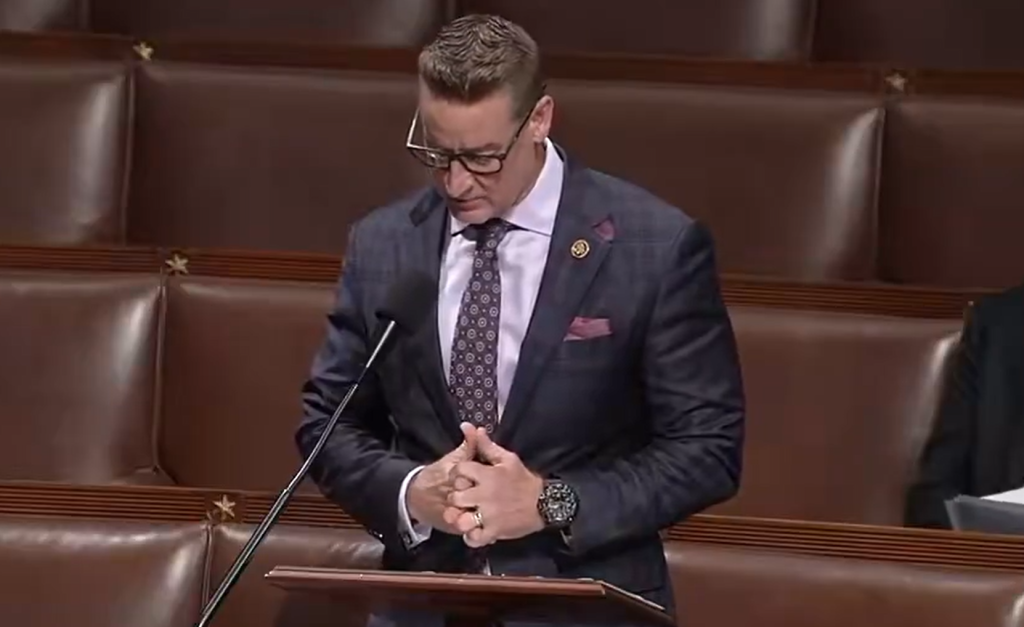
In a notable escalation, the House on July 16 passed an amendment championed by Republican Rep. Greg Steube that sought to block all U.S. aid to Nigeria’s central government unless it demonstrably halted the “slaughter of Christians.” Steube stated that American taxpayers “should never bankroll governments that turn a blind eye while Christians are abducted, tortured, and murdered.”
The action built on earlier legislative efforts. In April 2026, the House Appropriations Committee inserted language into the Fiscal Year 2027 National Security, Department of State, and Related Programs Appropriations Act that withheld 50% of designated funds for Nigeria. Release of the money required certification from the Secretary of State that Nigeria had made measurable progress in preventing religiously motivated violence, holding perpetrators accountable, supporting displaced persons, and facilitating returns to affected communities.
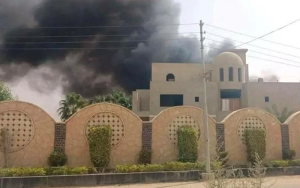
The push followed President Donald Trump’s redesignation of Nigeria as a Country of Particular Concern (CPC) for severe religious freedom violations in October 2025. The Trump administration had previously designated Nigeria under his first term; the Biden administration removed it in 2021. Congressional investigators and faith-based advocates pointed to estimates that between 50,000 and 125,000 Christians died in attacks since 2009, with thousands of churches destroyed. Nigeria accounted for a disproportionate share of global Christian martyrs, according to monitoring groups.
A joint House Appropriations and Foreign Affairs Committee report delivered to the White House in February 2026 described Nigeria as “the most dangerous place in the world to practice the Christian faith.” The document, informed by on-the-ground visits, recommended bilateral security agreements, sanctions on perpetrators, visa restrictions, and continued withholding of funds until action occurred.
The United States paired pressure with targeted support. It conducted airstrikes against jihadist targets accused of killing Christians, expanded military cooperation, and launched initiatives such as a $3.5 million program to document religious freedom violations. Some health-sector funding flowed through faith-based providers rather than solely government channels.
Nigerian officials consistently rejected the persecution narrative. They described the violence as complex—driven by terrorism, banditry, and resource conflicts affecting all communities—and accused Washington of relying on faulty data. Information Minister Mohammed Idris and other leaders maintained that Nigeria took security challenges seriously and welcomed cooperation on counterterrorism without external interference in its internal affairs.
The developments reflected broader Trump administration priorities on international religious freedom and an “America First” approach to foreign aid. Proponents, including Rep. Riley Moore, framed the measures as holding foreign governments accountable while standing with persecuted Christians. Critics and analysts noted the potential strain on bilateral ties with Africa’s most populous nation.
As of mid-2026, the Senate had not yet finalized the appropriations package, leaving the full scope of cuts uncertain. Humanitarian assistance through non-governmental channels continued in many cases, but government-to-government support faced significant new hurdles tied directly to Nigeria’s handling of anti-Christian violence.
Image: Rep. Greg Steube (R-FL) speaking in Congress on the motion to withhold foreign aid.