#Chile #Santiago – On May 13, 2026, the Permanent Committee of the Bishops’ Conference of Chile released a strongly worded statement calling for the restoration of social peace and political dialogue as the country grappled with recent wildfires, violent clashes between police and student protesters, and a major shift in government following the election of conservative President José Antonio Kast.
Titled “Restoring Social Peace and Political Dialogue,” the document, issued just two months after Kast’s inauguration, highlighted growing divisions and urged leaders and citizens alike to rebuild society on foundations of charity and solidarity.
The bishops structured their message around six key points. They defined social peace not merely as the absence of violence but as “the fruit of justice, mutual respect, and the sincere willingness to seek the common good together.” Drawing on St. Augustine, they warned that eroded civic coexistence threatened the nation’s moral, cultural, and spiritual foundations.
The statement placed particular emphasis on the “grave moral responsibility” of public authorities and legislators. It called on them to exemplify prudence, respect, and integrity, criticizing the rising hostility and degrading disputes in institutions that scandalized citizens, especially the youth. Politics, the bishops affirmed, represented the “highest expression of service and love for others,” requiring a superior ethic of dialogue and consensus-building as signs of maturity rather than weakness.
The committee condemned not only physical violence but also verbal, ideological, and institutional forms that undermined social solidarity. Citing Pope Benedict XVI’s Caritas in veritate, they stressed that truth, trust, and love for what is true are essential for social conscience and responsibility.
In its final section, the bishops advocated for spaces of reflection, interior silence, ethical formation, and spiritual life. “Only a heart formed in charity and solidarity can sustain a truly humane society,” they wrote, invoking the commandment to “love your neighbor as yourself.” They concluded by praying for the intercession of the Virgin of Carmen so that love of neighbor would guide national decisions, particularly those of leaders.
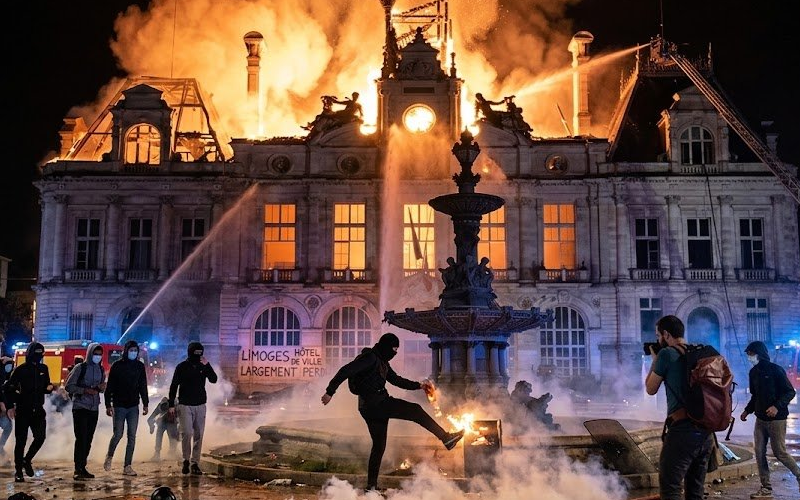
The statement came against a backdrop of multiple crises. Earlier in 2026, devastating wildfires killed at least 19 people and displaced hundreds as Kast prepared to take office. Student protests erupted over proposed austerity measures, education budget cuts, and environmental rollbacks, leading to clashes with police in Santiago and other cities. Protests also marked World Water Day in March, opposing the new administration’s halt of dozens of environmental protections.
Vatican News reported the bishops’ message on May 15, framing it as a response to these interconnected challenges and a call for ethical and spiritual renewal in Chilean public life.
The Chilean bishops had previously congratulated Kast upon his election in late 2025 while stressing the need for dialogue to rebuild social trust amid divisions over crime, migration, and political polarization. Catholicism in Chile today remains the country’s largest religious group but continues a long-term decline amid rising secularization.
As of the 2024 national census, the most recent detailed data, approximately 53.7% of Chileans aged 15 and older identified as Catholic — down sharply from around 70% in the early 2000s and nearly 77% in 1992. Other surveys from 2024–2026, including Pew Research, place the figure closer to 46%, marking Chile (along with Brazil) as no longer a Catholic-majority country.
The “no religion” (religiously unaffiliated) have surged to about 25–33%, while Protestants/evangelicals hover around 16%. Trust in the institutional Church stays low, a lingering effect of Church corruption and major clergy sexual abuse scandals from the 2010s that damaged credibility, particularly among younger generations.
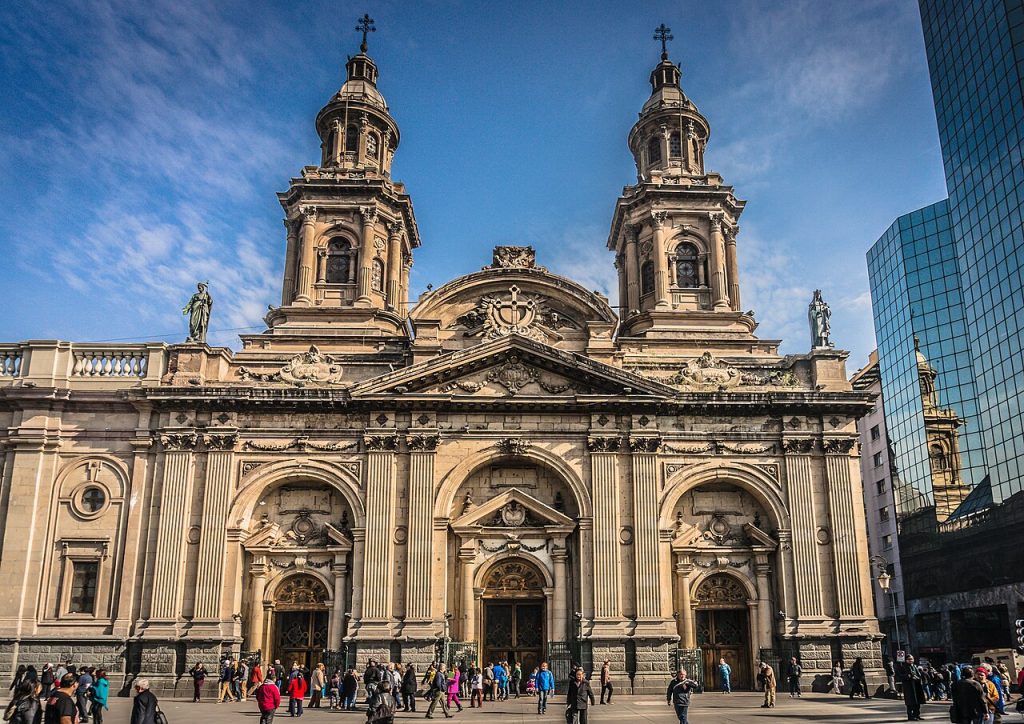
Despite the numerical decline, the Church retains cultural and social influence. In March 2026, openly Catholic conservative President José Antonio Kast — a member of the Schoenstatt movement and father of nine — began his term with a public prayer at Santiago Metropolitan Cathedral, signaling visible ties between faith and politics.
The Chilean Bishops’ Conference remains actively engaged in national issues, as seen in their May 13, 2026, statement urging social peace, dialogue, and ethical renewal amid wildfires, protests, and political tensions.
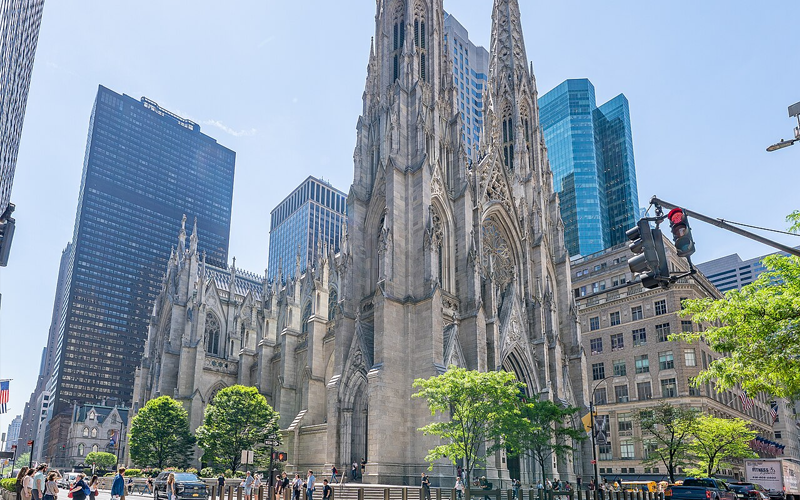
Image: The Metropolitan Cathedral of Santiago, the seat of the Archdiocese of Santiago and main hub of the Catholic Church in Chile.