#Canada #ON – Roger Foley, a Canadian man living with a degenerative brain disease, endured more than a decade in a hospital where advocates claimed staff effectively hastened his decline by denying basic accommodations, even as they repeatedly raised the option of medically assisted suicide.
Foley, who suffered from spinocerebellar ataxia, a progressive neurological condition that severely limited his mobility and coordination, had remained at London Health Sciences Centre’s Victoria Hospital since early 2016. What began as a stay for medical treatment turned into a years-long standoff over his care needs. Foley repeatedly sought self-directed home care funding so he could hire his own support workers and return to his accessible apartment. Provincial authorities denied that request, citing standard agency-based models, leaving him in an acute-care bed ill-suited for long-term residency.
In 2025, tensions escalated sharply. Hospital staff reportedly replaced the dimmer, amber-spectrum lighting in Foley’s room—accommodations previously in place for years to manage his severe photophobia—with brighter bulbs. Foley stated that the intense light caused him excruciating pain, prevented safe transfers for meals and medication, and left him unable to eat or drink orally after May 6, 2025. He received intravenous fluids and tube feeding thereafter, with medical risks mounting from dehydration, fatigue, and collapsing veins.
A close contact and primary care advocate described the situation bluntly: the hospital, by withholding necessary accommodations, was in effect trying to “kill him” through inadequate care while he lived in constant pain. Foley’s brother, Robert Foley, sent urgent emails to hospital officials in June 2025. “Your patient is dying in front of you and you are silent,” he wrote, pleading for the restoration of suitable lighting. Hospital representatives called the messages “inappropriate and inflammatory” and instructed Robert to stop direct contact, directing communications through formal patient relations channels.
Foley had long alleged a pattern of pressure toward Canada’s euthanasia program, colloquially referred to as “Medical Assistance in Dying” or “MAiD”. He released audio recordings from earlier years in which staff discussed hospital costs exceeding $1,500 per day and suggested assisted death as an alternative to unresolved care disputes. Even in 2025, he reported that nurses continued to ask suicide-related questions during routine care, which he interpreted as leading toward euthanasia discussions despite his clear objections and desire to live.
Foley’s case drew national and international attention. He filed lawsuits seeking damages and declarations of rights violations, though courts struck some claims. Disability rights advocates and euthanasia critics highlighted his ordeal as evidence of systemic failures in which lack of support made death appear as a default solution for disabled individuals. Supporters launched fundraisers, including through Life Care Network, to pay for private personal support workers and to back his musical releases aimed at funding his eventual return home.
Throughout his hospitalization, Foley maintained his resolve. He released music, including the track “Limitless With Limitations,” and used creative projects to advocate for self-directed care models common in other countries. “I am a human being with medically documented disabilities, not a policy problem,” he wrote in communications obtained by media outlets.
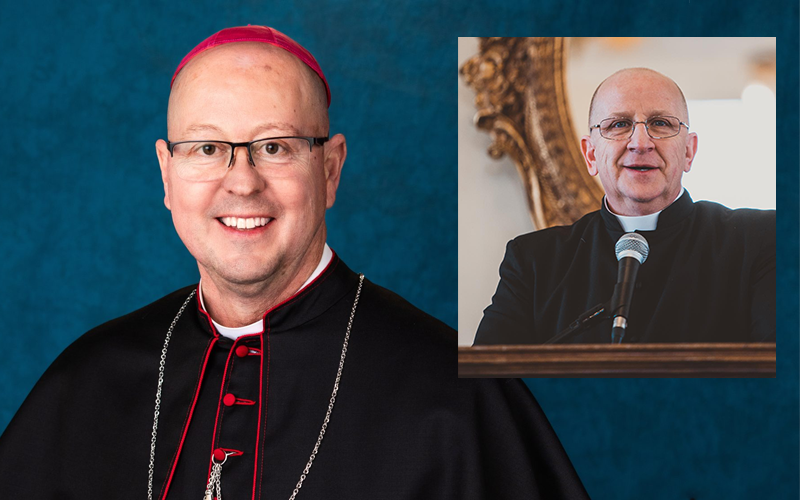
On the other side of the country, the case of Roger Foley bares resemblance to the case of a Catholic priest who reported that he was also pressured to accept euthanasia options. Father Larry Holland, 79, fractured his hip after a fall in his bathroom on Christmas Day 2025. He was admitted to Vancouver General Hospital where he underwent treatment and convalesced. Holland, who had also completed studies in health-care chaplaincy and served in multiple parishes in the Archdiocese of Vancouver, told reporters he was “shocked” when a doctor first brought up assisted suicide.
According to Holland, the physician mentioned assisted dying as something staff “have to discuss” in case his condition deteriorated or a terminal diagnosis emerged. Holland recalled falling silent at the suggestion before informing the doctor of his strong moral opposition to euthanasia. The doctor replied that he simply wanted to ensure the priest knew about available services.
Weeks later, a nurse raised the topic again. Holland said the nurse appeared uncomfortable and seemed motivated by compassion over his pain, but he described it as “false compassion.” He emphasized that he was not dying and had received no terminal diagnosis.
The incidents drew sharp criticism from within the Church. Father Larry Lynn, pro-life chaplain for the Archdiocese of Vancouver, called the case “among the most appalling examples of Canada’s coercive and insensitive euthanasia regime.” He noted the particular insensitivity of raising the issue with a priest known to oppose it on religious grounds.
Vancouver Coastal Health, the organization operating VGH, stated that staff may initiate assisted suicide discussions based on clinical judgment, provided they have the necessary knowledge and skills. Critics, including ethicists and pro-life advocates, argued that proactively offering assisted death to vulnerable patients—especially those not terminally ill—risks coercion and undermines proper palliative care.
Similar allegations have surfaced in other cases, including with disabled individuals and seniors, amid ongoing debates over safeguards, conscience rights, and the expansion of the program.
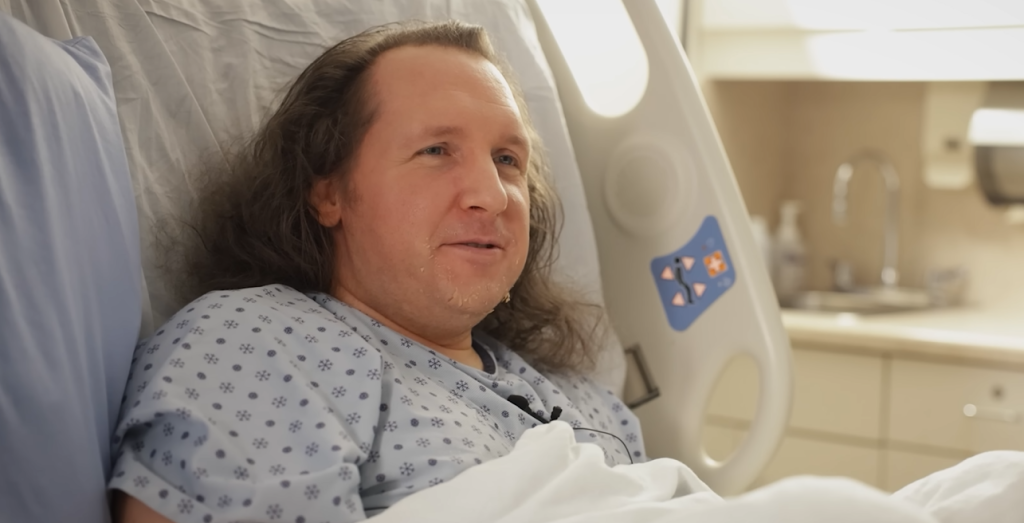
Image: Roger Foley, 49, of London, Ontario.