#USA #DC – The U.S. Department of War streamlined its list of recognized religious affiliations for service members last week, slashing the number of categories from more than 200 to 31 in an effort to simplify administrative tracking for chaplains. The move quickly sparked controversy when The Church of Jesus Christ of Latter-day Saints was not grouped under a “Christian” designation, prompting sharp criticism from Utah lawmakers and swift revisions by the Pentagon.
War Secretary Pete Hegseth’s office announced the initial overhaul on Friday, describing it as a long-overdue reform to an unwieldy system that had expanded significantly since 2017. The new list consolidated many Protestant denominations and other faiths under broader headings, with approximately 21 groups initially labelled as “Christian,” including Catholicism, Baptists, but also Jehovah’s Witnesses. The Church of Jesus Christ of Latter-day Saints appeared separately as “CJ,” positioned outside the Christian category alongside other religions such as Hinduism, Islam, and Judaism.
The LDS differ to traditional Christian denominations, such as Catholicism and Anglicanism, in that they do not believe in historic Christianity as defined by the Nicene Creed. LDS doctrine teaches three distinct beings (Godhead): God the Father and Jesus Christ have physical bodies of flesh and bone; the Holy Ghost is a spirit. Some critics compare the LDS to the ancient heresy of Gnosticism at a reformed level, while others compare it to Arianism for its view of the Godhead and Christ or Pelagianism for its emphasis on human agency and works alongside grace. All these heresies were rebuked in early Christianity prior to the Great Schism.
Utah Republican Senators Mike Lee and John Curtis, both members of the faith, immediately pushed back. Lee questioned the logic on social media, noting the church’s full name includes “Jesus Christ.” Curtis called the classification “unacceptable” and emphasized that Latter-day Saints are “unequivocally Christian,” citing their patriotic service in the military. Other Utah representatives and LDS community members echoed the concerns, arguing the government should not weigh in on theological disputes.
The Pentagon responded on Monday by issuing an updated list. Officials removed the overarching “Christian” umbrella category entirely, listing denominations individually by name—including Baptists, Catholics, Methodists, and The Church of Jesus Christ of Latter-day Saints. The department described the adjustment as a correction to eliminate redundant labelling while maintaining the streamlined total of around 31 codes.
Pentagon spokespeople stressed that the changes were purely administrative, aimed at improving support for service members’ spiritual needs rather than making theological judgments. They noted that all faiths remain accommodated, even if not every historical code survived the consolidation. Lawmakers, including Lee and Curtis, welcomed the revision, with Lee expressing gratitude for the quick correction.
The episode highlighted longstanding debates about how non-traditional Christian groups are viewed in official U.S. institutions. It also drew attention to Hegseth’s broader efforts to reform the military’s chaplain corps and emphasize religious considerations in Pentagon policy. No changes affected the eligibility of LDS service members or chaplains, and the updated codes continue to support accurate record-keeping for personnel systems.
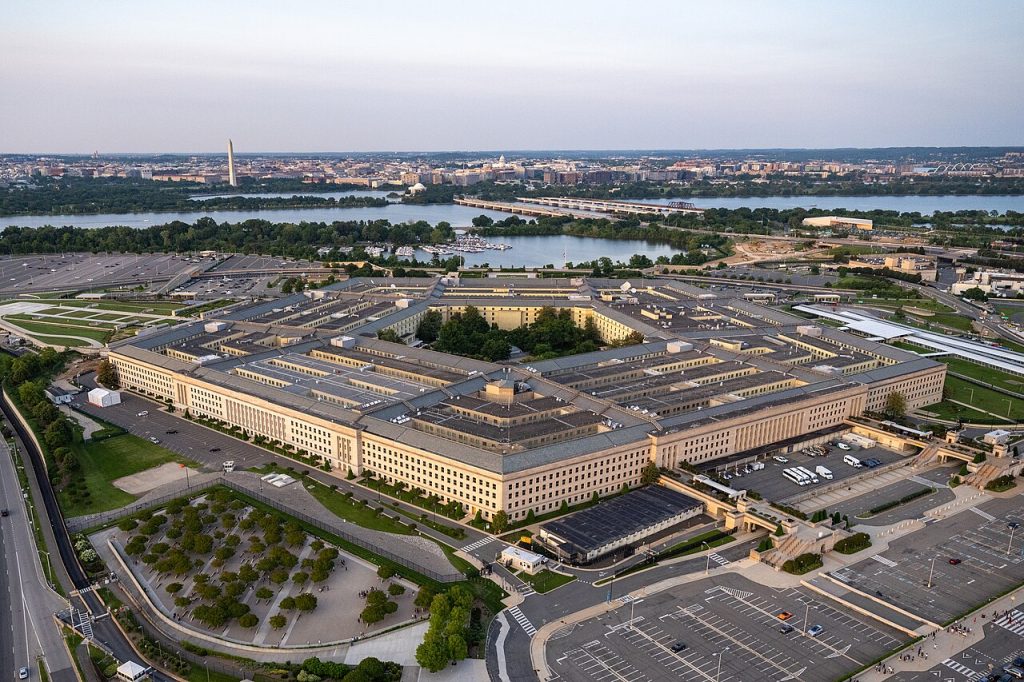
Image: The Pentagon building in Arlington County, Virginia.