#USA #DC – A coalition of Catholic organizations, including the United States Conference of Catholic Bishops (USCCB), asked the U.S. Court of Appeals for the Fifth Circuit on May 19th, 2026, to shield them from a Biden-era regulation that required employers to provide workplace accommodations for employees seeking abortions.
The appeal came in the ongoing case United States Conference of Catholic Bishops v. Equal Employment Opportunity Commission. Becket, a religious liberty law firm, represented the plaintiffs, which also included the Catholic University of America and the dioceses of Lake Charles and Lafayette in Louisiana.
Congress passed the bipartisan Pregnant Workers Fairness Act (PWFA) in December 2022 to ensure reasonable accommodations for pregnant workers facing physical limitations related to pregnancy or childbirth, such as extra breaks or modified schedules. Lawmakers from both parties emphasized during debates that the measure did not address or require accommodations for abortion, and the statute made no mention of the procedure.
Despite that legislative history, the EEOC issued final regulations in April 2024 interpreting “related medical conditions” under the PWFA to include abortion. The rule mandated that covered employers accommodate time off and other adjustments for employees obtaining abortions, while limiting religious exemptions to case-by-case reviews after potential litigation.
Catholic leaders argued that the regulation forced faith-based employers to violate core beliefs by supporting abortions within their ministries, altering workplace policies, statements of faith, and even the overall “atmosphere” of their organizations. The USCCB had supported the original PWFA legislation precisely because it aimed to protect expectant mothers and their unborn children.
The plaintiffs filed suit in the U.S. District Court for the Western District of Louisiana in May 2024. A lower court ruling in May 2025 offered only partial relief, enjoining some aspects of the mandate but still requiring accommodations for many abortions tied to common pregnancy symptoms like nausea or anxiety. The district court later issued temporary protections in September 2025 while litigation continued.
In their May 2026 opening brief to the Fifth Circuit, the Catholic groups contended that the district court’s limitations amounted to “little more than lip service,” leaving them exposed to civil liability and intrusive government oversight.
“Bureaucrats tried to twist a bipartisan law protecting pregnant women and their unborn babies into a mandate that churches facilitate abortion within their own ministries,” said Laura Wolk Slavis, Becket counsel for the ministries. “If there’s one thing everyone should agree on about abortion, it’s that Uncle Sam can’t make Mother Teresa support it.”
Wolk Slavis added that no other court considering similar religious objections had forced churches to comply, and she expressed hope that the Fifth Circuit would grant full protection. “In 250 years, our nation has never allowed the State to make the Church support abortion — and now’s not the time to start.”
The case highlighted broader tensions over the EEOC’s implementation of the PWFA and religious liberty protections under the First Amendment and Religious Freedom Restoration Act. Other challenges to the abortion-related provisions proceeded in parallel courts, with mixed outcomes.
As of the appeal filing, the PWFA’s core protections for pregnant workers remained in effect nationwide, though enforcement against religious objectors on abortion accommodations stayed under active judicial review. The Fifth Circuit’s forthcoming decision could set a significant precedent for faith-based employers.
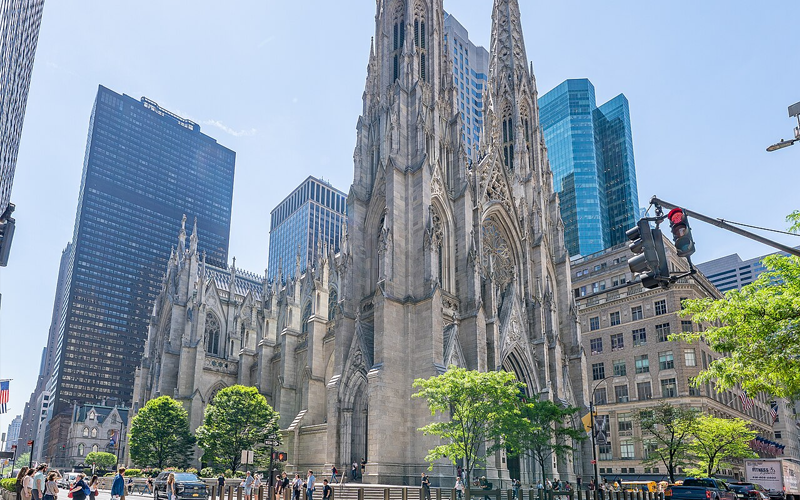
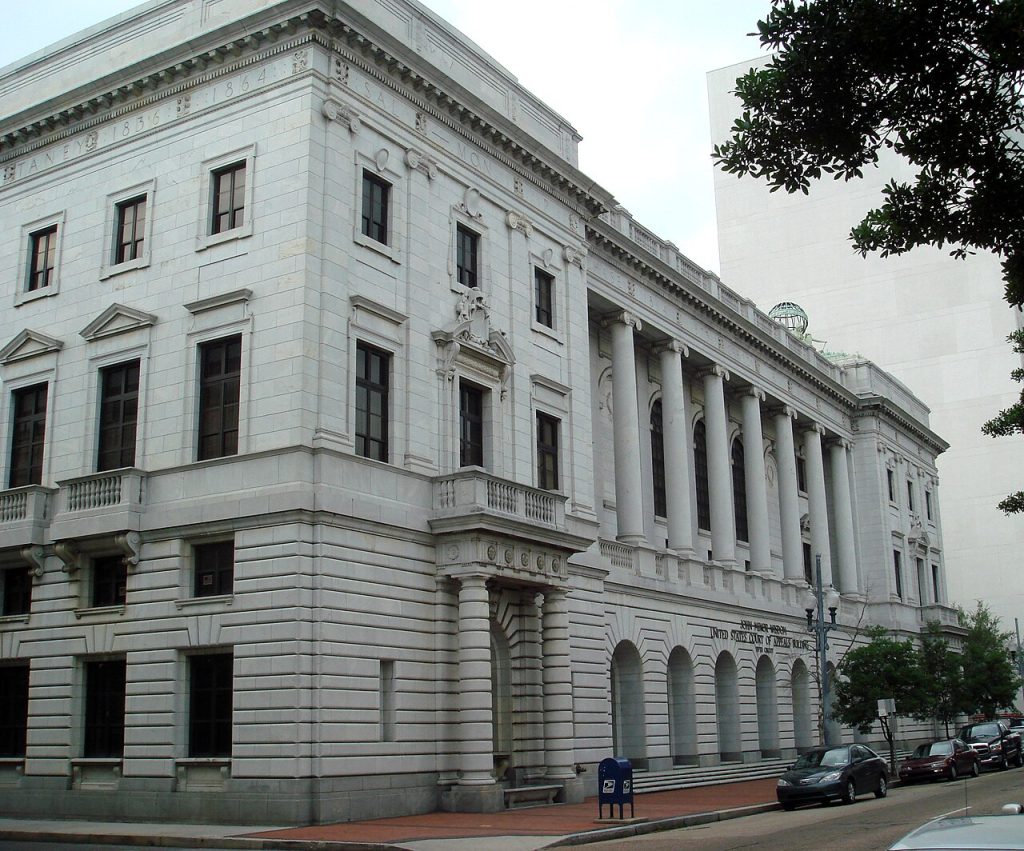
Image: The John Minor Wisdom U.S. Courthouse, home of the Fifth Circuit, New Orleans.