#DRC – On May 18, 2026, the Catholic Diocese of Goma in the Democratic Republic of Congo (DRC) directed parishes, priests, and religious communities to adopt rigorous hygiene and distancing protocols after health authorities declared a new Ebola virus outbreak a “health emergency.”
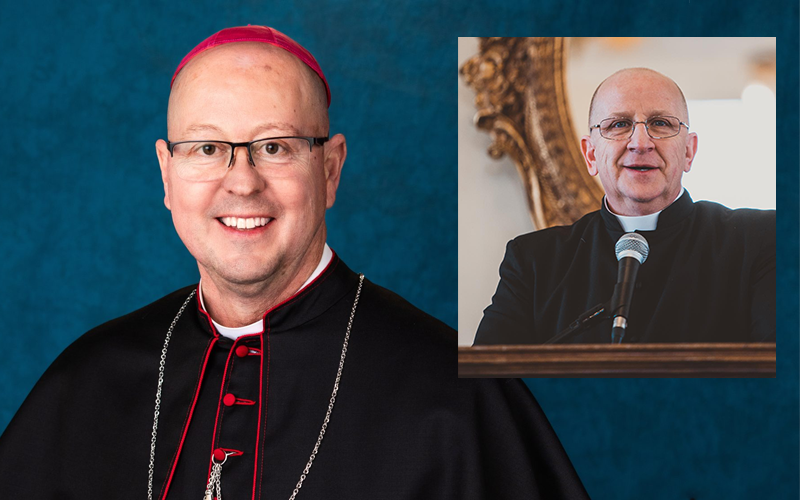
The communiqué, issued by the diocese’s chancellor, Fr. Christian Kisonia, followed Bishop Willy Ngumbi Ngengele’s instructions to limit the spread of the deadly hemorrhagic fever. “Given that the Ebola virus hemorrhagic fever epidemic has been declared a ‘health emergency,’ the Diocese of Goma recommends that all parish, priestly, and religious communities observe preventive measures,” Fr. Kisonia stated.
Key measures included avoiding physical contact with individuals showing Ebola symptoms, frequent handwashing with soap or the use of hand sanitizers, and steering clear of contact with bodily fluids. Church leaders also urged the faithful to report any suspected cases immediately to the nearest health facility.
The response came days after the World Health Organization (WHO) declared the Ebola outbreak, caused by the Bundibugyo virus strain, a public health emergency of international concern on May 17. The epidemic originated in Ituri Province, with initial clusters reported in health zones such as Mongbwalu, Rwampara, and Bunia. As of mid-May, officials recorded hundreds of suspected cases and dozens of deaths, with laboratory confirmation of the virus in multiple samples.
The outbreak had already spread beyond Ituri, reaching North Kivu Province, including a confirmed case in Goma itself — a major city in the region — linked to travel from affected areas. Health workers and local communities expressed growing concern amid insecurity, population displacement, and cross-border movements that complicated containment efforts.
This marked the 17th Ebola outbreak in the DRC in recent years. Unlike some previous Zaire ebolavirus strains, the current Bundibugyo variant had no immediately available vaccine, prompting reliance on basic infection control, surveillance, and community awareness. Neighboring Uganda also reported cases tied to cross-border travel, heightening regional alerts.
The Diocese of Goma’s swift guidance reflected broader efforts by faith communities in eastern DRC to support public health responses while continuing pastoral activities under heightened precautions. Local Catholic leaders emphasized vigilance and solidarity as authorities raced to contain the virus’s rapid spread.
As the situation evolves, international organizations including the WHO and CDC issued travel advisories and called for strengthened global support to aid local response teams in the conflict-affected region.
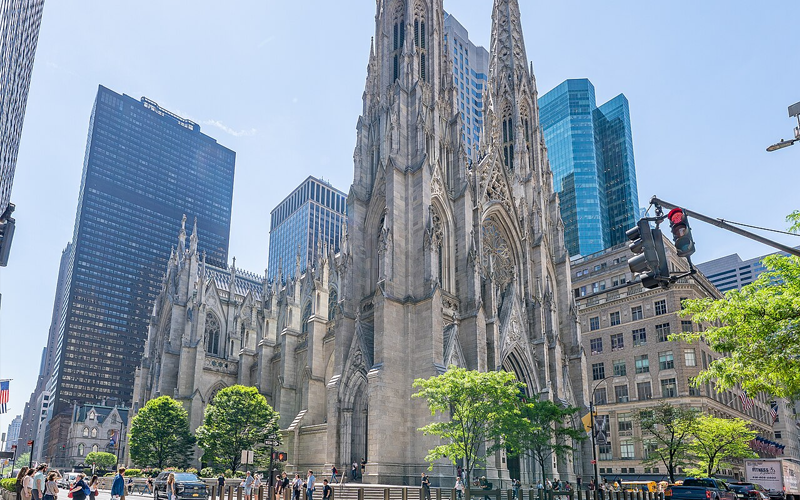
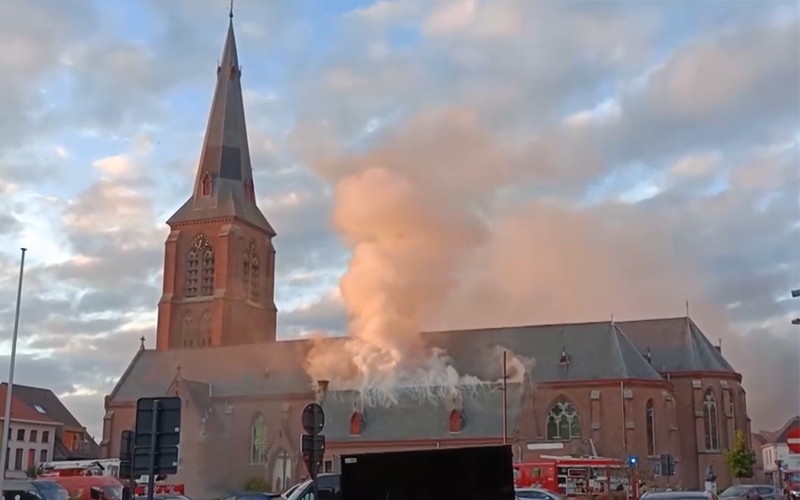
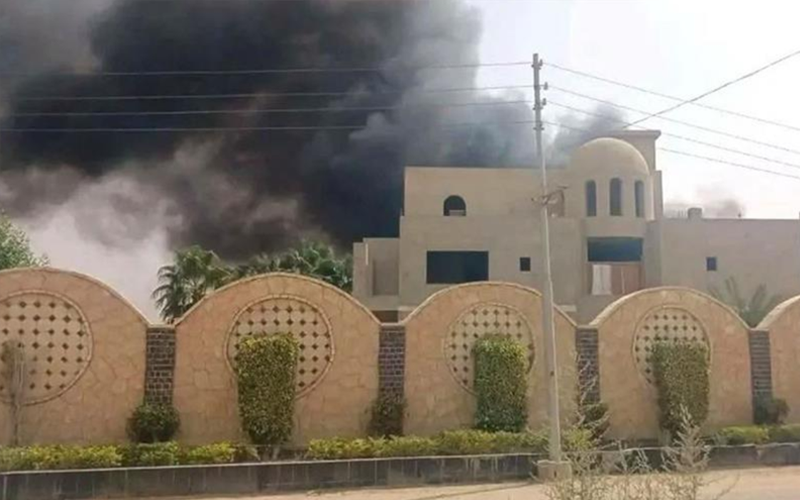
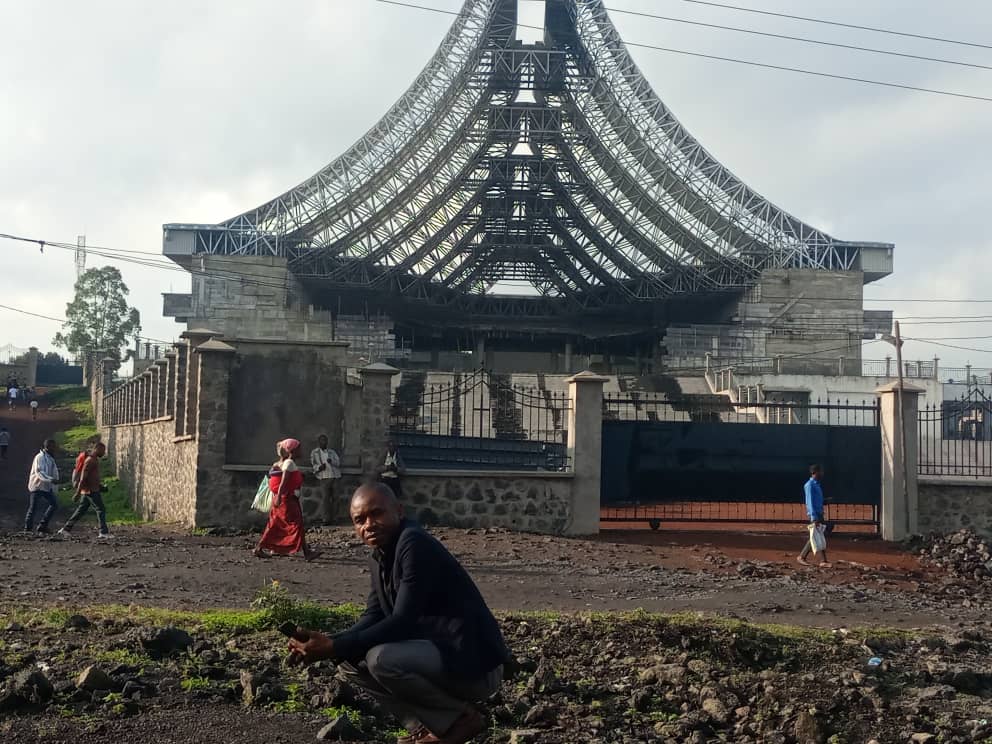
Image: Cathedral of Goma, under construction, the future seat of the Diocese of Goma.